petrolhedonist

There's nothing the correct application of technology can't fix

  • Melbourne workshop wows Porsche world with hand-built uber-911
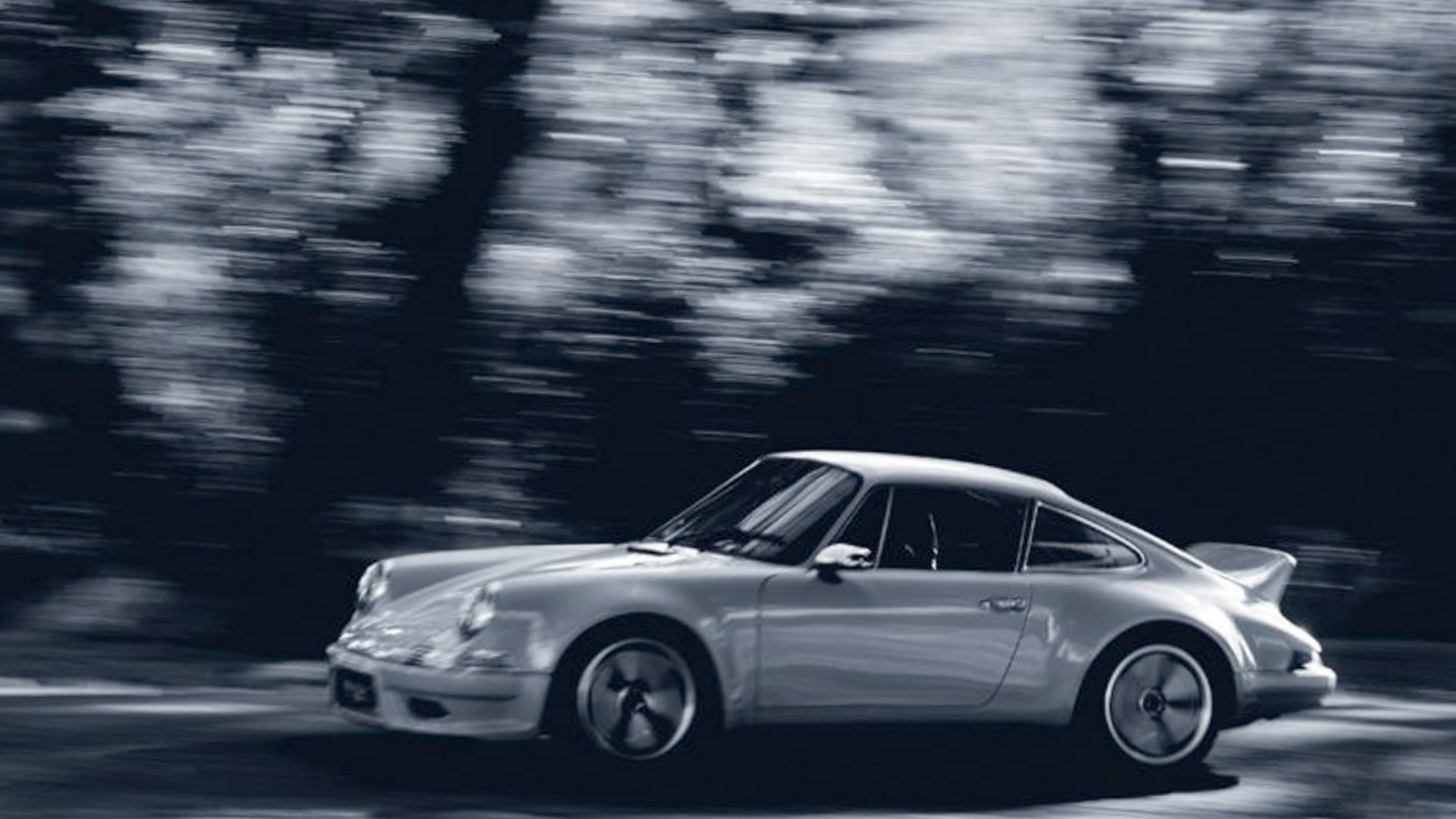
    The Porsche restomod game is formulaic. Take a classic 911, strip it back, throw some carbon fibre at it, upgrade the suspension, charge a small fortune, done. Singer in California has turned this into a multi-million dollar art form – and a multi-year waiting list.

    But a Melbourne outfit called Zeigler/Bailey has decided that approach isn’t nearly complicated enough. It’s added an extra level of difficulty and differentiation – no hotrodded Porsche engine here… Instead, it’s designed and built its own. From scratch. In Australia.

    The Z/B 4.4 starts life as a 1975-89 Porsche 911 G-series – the galvanised-body cars that exist in decent numbers globally. From there, things get properly ambitious. The entire floor is cut out and replaced with a new, symmetrical steel platform, which Z/B says means the car can be converted from right- to left-hand drive in about a day!!!

    The suspension geometry is binned in favour of a setup derived from Le Mans prototype racing.

    The Engine Nobody Thought Possible

    And that engine bay? It gets something that didn’t exist until Zeigler/Bailey made it – a 4.4-litre air-cooled flat-six machined from solid aluminium billet.

    Not cast – machined. Indeed, the engine block, cylinders, and cylinder heads are all carved from solid metal because the displacement Zeigler/Bailey wanted (4387.86cc, to be precise) simply wouldn’t fit within any existing Porsche engine architecture.

    Claimed outputs are 300kW and 500Nm – which, for context, slightly exceeds the current 992-generation Porsche 911 Carrera. From an air-cooled engine. With two valves per cylinder.

    The crankshaft and camshafts are billet steel. The exhaust valves are made from Nimonic alloy – the stuff they use in jet turbines.

    Each cylinder head port is individually vacuum tested. It’s the kind of obsessive detail that would make even a Singer customer nod approvingly.

    3D-Printed Exhaust? Sure, Why Not

    And there’s genuinely unique and world-first tech. The exhaust system is 3D-printed in stainless steel – something Zeigler/Bailey claims is a world first for a production vehicle.

    In fact, there are only three major weld assemblies in the entire system; the rest is printed as single pieces with all mounting hardware and bolt threads integrated.

    The benefit isn’t just bragging rights. 3D printing allows exhaust tuning that’s impossible with traditional fabrication. And because there are no tacked-on brackets or welded joins, there’s nothing to crack or fatigue over time.

    The system also features a vacuum-operated valve that switches between Quiet and Track modes via the triple tailpipes.

    Who’s Behind This?

    The partnership is an odd one. John Zeigler Jr spent three decades in advertising, culminating as Chairman and CEO of DDB Group Asia Pacific – 33 agencies, 14 countries, 3200 employees. He was named Global Marketer of the Year in 2013. His father was a legendary Australian hot rodder in the 1970s.

    Greg Bailey is a South African engineer who emigrated to Australia in 2017 after stints at Ford and Toyota. His previous work includes designing an LMP2 Le Mans prototype from the ground up – a car that was displayed at Le Mans in 2012. He holds a Diploma in Mechatronics and designed the Z/B 4.4’s CAN bus electronics system because, apparently, building a new engine wasn’t enough of a challenge.

    The Catch

    The entry price for the Z/B 4.4 is $1.6 million, and that doesn’t include the donor car. Build time is approximately 12 months. Zeigler/Bailey plans to produce just 10 vehicles per year for the Australian market.

    For that money, you get a vehicle that’s been engineered to meet applicable Australian Design Rules – something many restomods don’t bother with. The steel doors and front trunk lid are retained for side-impact compliance.

    There’s also a telemetry system, GPS tracking via a dedicated app, remote diagnostics, and owner-customisable digital instrumentation that looks analogue but isn’t.

    What It Actually Means

    Zeigler/Bailey isn’t trying to compete with restomod royalty, Singer on volume. Singer employs 600 people and has completed more than 450 restorations. But Singer doesn’t build its own engines – those come from Cosworth and Williams.

    The Melbourne company is positioning the 4.4-litre engine as a standalone product, targeting up to 1000 units annually for the global air-cooled Porsche restoration market.

    The car exists to prove the engine works.

    Whether that’s commercially viable remains to be seen. But for now, Australia has a genuinely unique performance car project to be proud of… Designed from first principles in an inner-Melbourne workshop.

    That’s worth paying attention to, even if you’ll never get close to affording one.
  • It’s somewhere between old school and too cool for…

    FWCR = Four Word Car Review. Because let’s be honest—nobody’s reading a 2000-word essay when they just want to know if a car’s worth their Saturday morning.

    The concept’s simple — distil every car’s personality into four words. Not a marketing slogan dreamed up by someone who’s never actually driven the thing. Just an honest, shareable take—the kind you’d text a mate when they ask “what do you reckon?”

    In truth there’s an additional few words ie: more than four… Each FWCR runs about 150-200 words. You get proper price context against the competition, what it’s actually like behind the wheel, the real ownership equation, and—crucially—the gotcha that the press release conveniently forgot to mention. Every review ends with a clear verdict: Lock it in, Test drive worthy, Plenty better options, or Hard pass.

    No fence-sitting. No “it really depends on your lifestyle needs…” Just a straight answer to a straight question: should this car be on your list, or not?

    Think of it as the discovery tool traditional car reviews forgot to build. You’re browsing. You’re curious. You need someone to cut the crap and tell you if this thing deserves twenty minutes of your weekend.

    That’s FWCR.

    You’re welcome…

  • SUV Comfort, Ute Capability

    MG’s taken a proper swing at Australia’s ute obsession, and the MGU9 lands from $52,990 to $60,990 driveaway. That’s $10K–$15K south of a comparable Ranger Wildtrak or HiLux SR5—serious money left on the table. The hook? Multi-link rear suspension—the same independent chassis tech you’d find in a BMW X5, not a tradie’s daily. MG reckons Aussie buyers want ute practicality without the corrugated-road punishment. Bold claim from a brand known for hatchbacks. Let’s see.

    On the road? Limited seat time at launch, but promising signs—firm ride with decent body control, and towing a 2660kg caravan didn’t induce any nasty habits. The ZF 8-speed shifts smoothly; the 2.5L turbo diesel feels eager and refined. Inside? Genuinely premium. Dual 12.3-inch screens, vegan leather that folds completely flat, heated seats all round, hard buttons where they actually matter. Feels more luxury SUV than workhorse—and that’s entirely deliberate. To run? Seven-year warranty properly embarrasses rivals’ five-year coverage. The 7.9L/100km claimed figure beats Ranger and HiLux on paper; 80L tank should see 1000km range. Resale remains the big unknown. The gotcha? Unproven in the real world. MG’s done 400,000km of local testing, but ute buyers are notoriously tribal—and the dealer network’s still thin outside metro areas.

    Who needs this? SUV owners who’ve always wanted a tub but hate leaf-spring punishment. Families needing genuine daily comfort alongside 3500kg towing capacity. Skip it if brand heritage matters more than spec sheets, or you need established aftermarket support and proven resale yesterday.

    The verdict: 🟡 Test drive worthy

  • Technical Triumph, Commercial Gamble

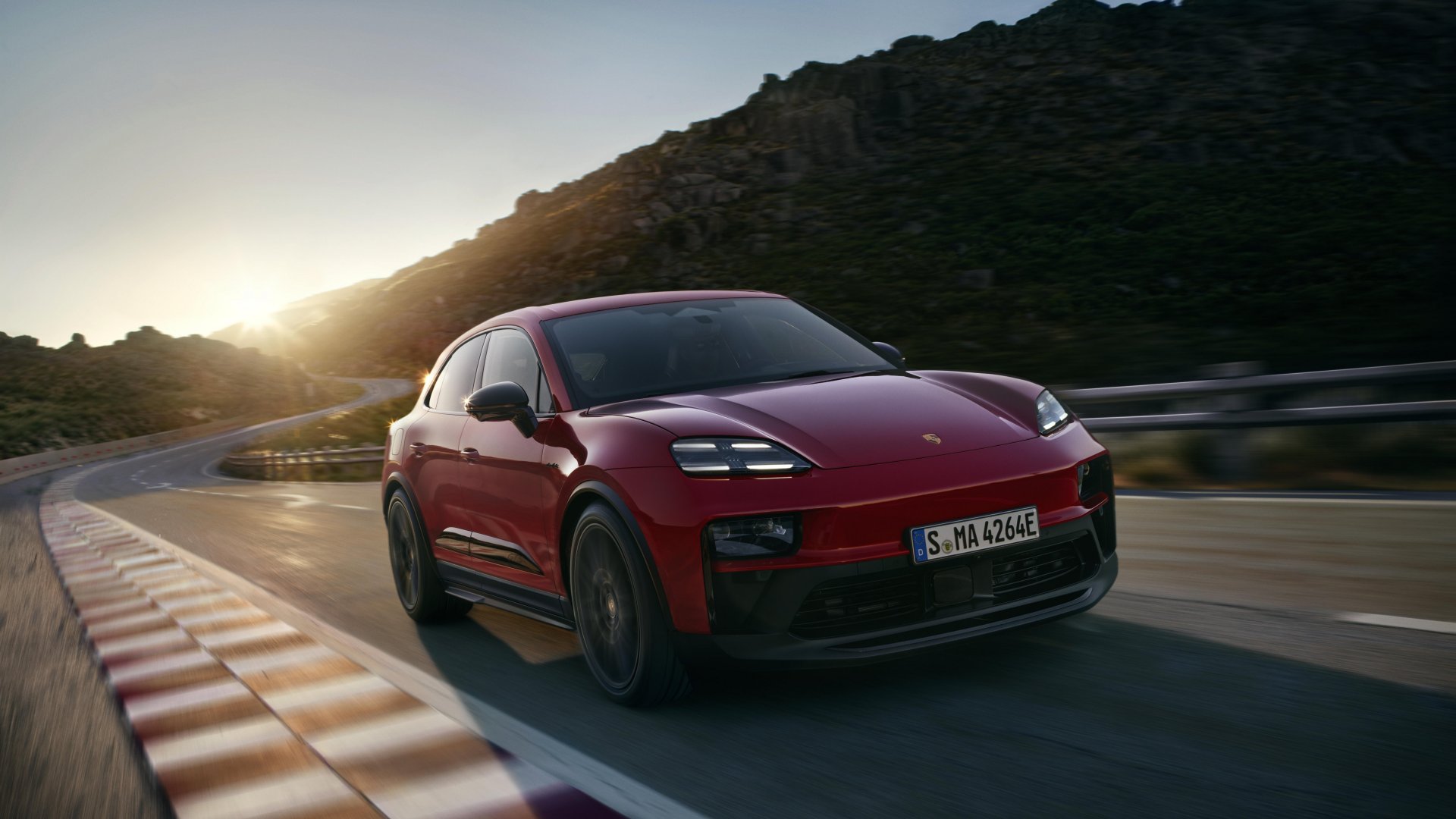
    Porsche has axed petrol from its best-seller entirely—a proper gamble when global EV sales are softening and Taycan numbers have halved. The all-electric Macan starts at $128,400 before on-roads, roughly $33K north of the outgoing four-pot. That’s Audi Q6 e-tron money, or a Polestar 4 with decent change left over. The Macan 4 at $134,400 is the pick—300kW, all-paw traction, 613km claimed range. Stuttgart’s betting the farm here.

    On the road? Despite tipping 2.3 tonnes, this thing defies physics—planted through corners, steering that actually talks back, and genuine Porsche DNA intact. The 800V architecture (theoretically) means 10–80% charge in 21 minutes flat. Inside? The cabin’s finally caught up with the badge. Android Automotive runs the 12.6-inch curved display with proper snap, and that AR head-up display projecting across 87 inches is genuinely useful, not gimmicky. Materials are plush throughout. To run? Three-year warranty is stingy—rivals offer five. No capped servicing either; expect $700–$1,750 per visit depending on your Porsche Centre. The gotcha? That coupe roofline murders rear headroom for anyone over six foot, the rear seats don’t slide or recline, and the artificial engine sound is pure PlayStation nonsense.

    Who needs this? Driving enthusiasts who refuse to compromise on dynamics, even in a family SUV. If fast-charging convenience and that crest on the bonnet matter more than outright value, this delivers in spades. Skip it if the $33K premium over old model prices you out, if rear-seat flexibility is non-negotiable, or if you’re simply not ready to go electric yet.

    The verdict: 🟡 Test drive worthy

  • Hyundai’s coming luxury brand, Genesis, just broke the internet at Circuit Paul Ricard, and it did it with a car nobody saw coming.

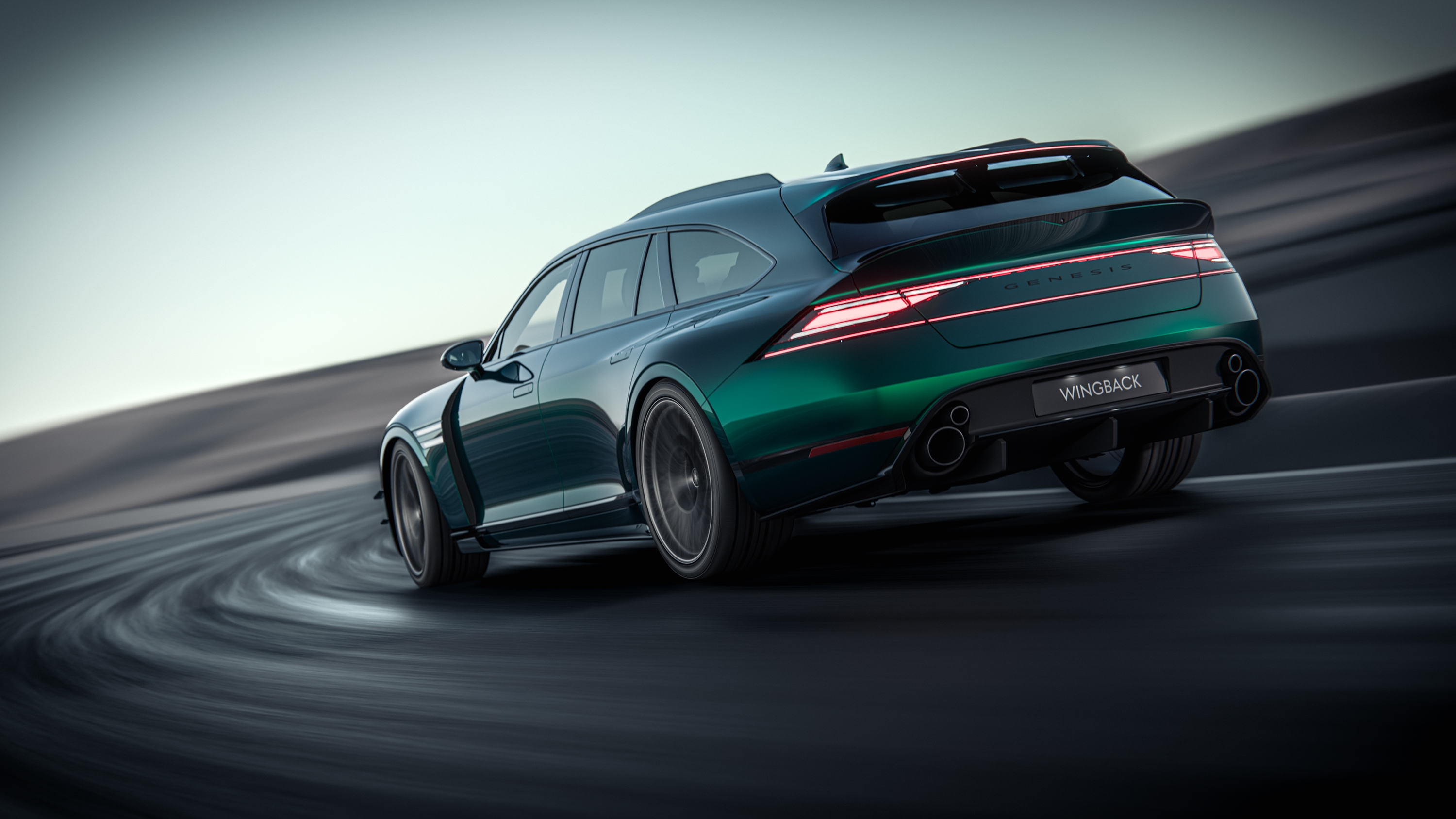
    While the main focus was reserved for the swoopy Ferrari-style Magna GT concept coupe and Ioniq5N-based GV60 Magma — Hyundai Group Chief Creative Officer and design boss Luc Donckerwolke had something else waiting in the wings. A full-size luxury wagon built on the bones of the G90 flagship sedan, draped in dark green paint, sitting on 22-inch wheels, and internally code-named ‘Dr Evil.’

    Yeah, you read that right. A wagon!!!

    Officially named the G90 Wingback Magma this isn’t some museum piece destined for a design studio lobby. In fact, Donckerwolke reckons they can execute it quickly with minimal expense.

    The platform’s identical to the standard G90 sedan, running the same twin-turbo V6 engines. Wheelbase and overall length stay the same but the Genesis flagship gets a treatment usually off-limits for limos – its roofline now extends straight back before hitting a dramatic spoiler. Flared guards sit 50mm wider than stock, GT3-inspired dive planes flank the bumper, and the rear diffuser frames quad exhausts that reportedly sounded suspiciously V8-like at the reveal.

    This is basically Genesis looking at the RS6 Avant and M5 Touring crowd and going “Hold my beer!”

    Donckerwolke told the press that with SUV oversaturation everywhere, wagons are becoming interesting again. Something we’ve ALWAYS known at DMARGE.com

    It’s a bold read from a brand already flogging the G70 Shooting Brake in Europe and Australia, proving its not afraid to back wagons when other prestige brands won’t.

    Will it actually happen? Genesis won’t confirm production plans, but the signs look promising. It’s shown other G90 concepts this year—an X Gran Coupe and Convertible—and Donckerwolke has publicly stated he’d put his job on the line to see them built. The Wingback follows the same coachbuilt philosophy, but Genesis reckons a limited run is “no problem.”

    In a market drowning in cookie-cutter SUVs and dying flagship sedans, Genesis just reminded everyone there’s still room for something properly cool. And if it builds it, it’ll stake a claim on a segment from which much of the auto world has walked away.

  • Forget spending half a million on a Porsche 911 Dakar. A combination of South African know-how and British craftsmanship has got just what you need.

    When Porsche dropped the 911 Dakar, the internet lost its collective mind. Here was Stuttgart’s answer to everyone who’d ever wondered what a rear-engined sports car would look like tackling the outback. At $491,400 before on-roads, it was expensive. With just a handful of units available in Australia, it was unobtainable. And now? They’re all gone.

    Every single one.

    So what’s a lifted-Porsche-obsessed enthusiast to do?

    Enter SafariProjek – and its UK partner, Rough Roads Engineering.

    Born during the 2020 lockdowns in South Africa (where, let’s be honest, they know a thing or two about roads that’ll shake your fillings loose), SafariProjek is the brainchild of Johan de Bruyn and Phillip Visser. De Bruyn races Porsches on track and in rally-raid events. Visser is a mechanical engineer with over a decade of experience building rally cars and running race teams.

    What happens when you lock two blokes like that in a garage with too much time and a couple of 911s? Exactly what you’d hope.

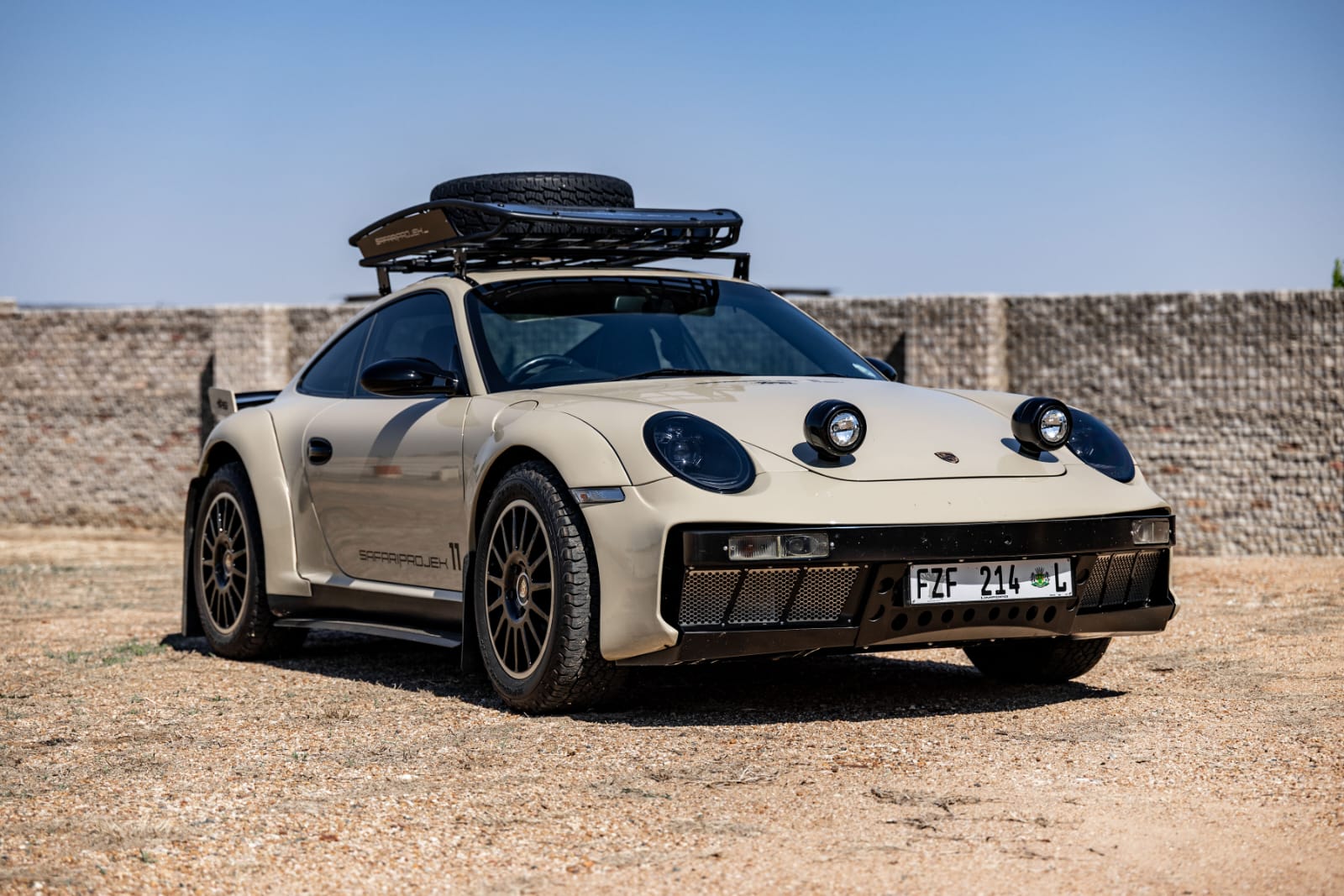
    These aren’t your typical “stick a lift kit on it and call it a day” builds. Using 996 and 997 Series 911s as donor cars, the team completely redesigned the suspension, widening the front track by 120mm and altering the rear geometry to improve weight transfer under braking on loose surfaces.

    Bespoke components are machined from 7075 aircraft-grade aluminium – the good stuff – fitted with chromoly rod end bearings. The shocks come from Reiger, the same German outfit that supplies actual Dakar Rally teams. All up, you’re looking at roughly 200mm of wheel travel front and rear.

    Ground clearance? A frankly absurd 280mm. That’s more than a HiLux. In a 911. Let that sink in.

    The underside gets polyurethane-coated aluminium protection plates covering basically everything necessary, because these things are built to actually be used, not just looked at in a climate-controlled garage.

    The bodywork cops the complete treatment too: custom widebody kit with fibreglass overfenders, bespoke bumpers front and rear, and your choice of 17 or 18-inch rally wheels from OZ Racing or Evo Corse wrapped in chunky BFGoodrich all-terrains.

    Want a roof rack with a spare mounted up top? Done.

    Quad rally lights on the bonnet like you’re about to tackle the East African Safari? Absolutely.

    Insiders tell us these things are an absolute hoot to drive. Turn off the tarmac onto rough dirt at 100… You won’t even flinch… The suspension just gobbles it up. Which is precisely the point.

    And the even better bit… Despite all these modifications, the drivetrain, brakes, and critical running gear remain factory Porsche. Any dealer can still service it without needing specialist knowledge.

    The operation has now completed about a dozen builds with plenty more on the books.

    Pricing varies with specification, but you’re starting with a used water-cooled 911 – not a brand-new 992. Even fully loaded, you’d likely come out well under the Dakar’s half-million asking price. And you can actually get a manual gearbox.

    For anyone who looked at the 911 Dakar and thought “that’s the one” before checking the price tag and availability, SafariProjek might be precisely what you’re after.

    Proper rally pedigree, genuine outback capability, and unlike Porsche’s factory effort… You can actually put your name on one.

    PS: if you do, give us a go…

  • Revolution Beats Evolution. Finally.

    Generated by pixel @ 2025-12-13T20:53:06.823481

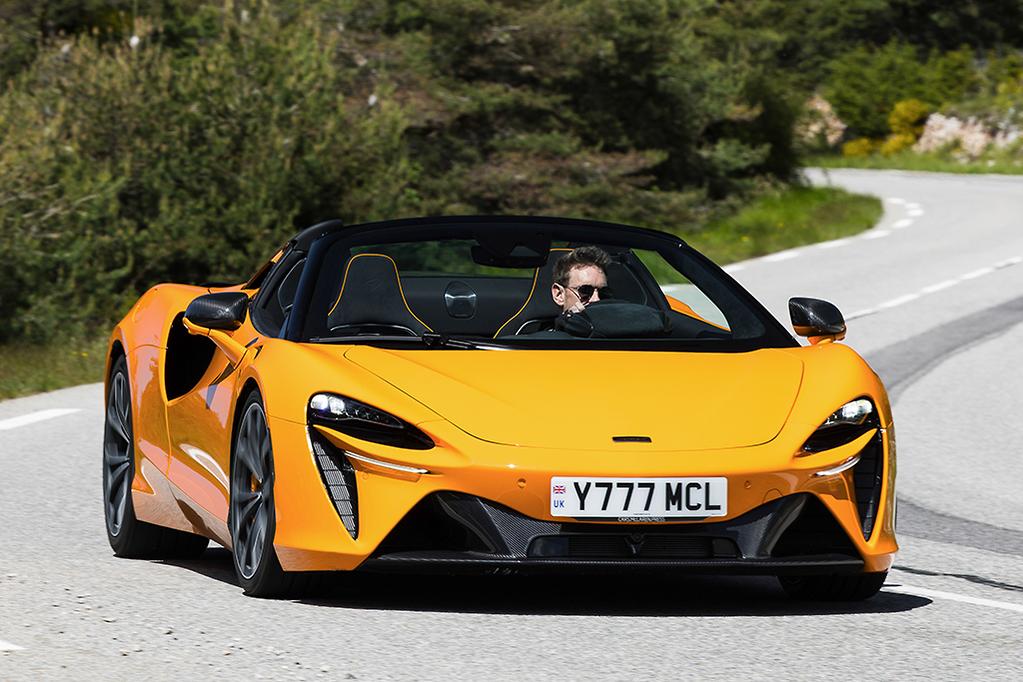
    The McLaren Artura Spider represents a fundamental rethink of the electrified supercar—515kW, 1560kg, and plug-in hybrid tech that actually enhances rather than dilutes the driving experience. At $449,460, it undercuts the Ferrari 296 GTS by $225,000 while delivering comparable performance and somehow weighing less than the new 911 GTS coupe despite being a convertible hybrid. McLaren’s Carbon Lightweight Architecture and F1-derived engineering obsessiveness create a car that’s faster, more advanced, and frankly more exciting than Porsche’s evolved icon.

    On the road? Brutal acceleration (0-200km/h in 8.4 seconds), telepathic steering, and that rare combination where advanced electronics enhance rather than numb the connection. The hybrid system builds from whisper-quiet electric mode to a proper V6 crescendo with the roof down—it’s a full-sensory experience the 911 simply cannot match.

    Inside? Pure supercar theatre with improved practicality—electrochromic roof panel, better visibility than you’d expect, and enough refinement for daily use if you’re brave enough.

    To run? Five-year unlimited kilometre warranty suggests McLaren’s confident, plus that 33km electric range means sneaking out at dawn without waking the neighbourhood or your conscience.

    The gotcha? You’re buying the revolutionary challenger, not the established icon—there’s no six decades of heritage backing your decision, just brilliant engineering and Oscar Piastri winning on weekends.

    Who needs this? Buyers wanting tomorrow’s supercar today, those tired of badge snobbery, and anyone who’d rather explain engineering excellence than simply point at a prancing horse. If you appreciate why a car works the way it does rather than just how fast it goes, the Artura rewards that curiosity. Not for those who need the comfort of conventional choices.

    DMARGEcars.com says: 🟢 Lock it in

  • Premium Without The Gouge

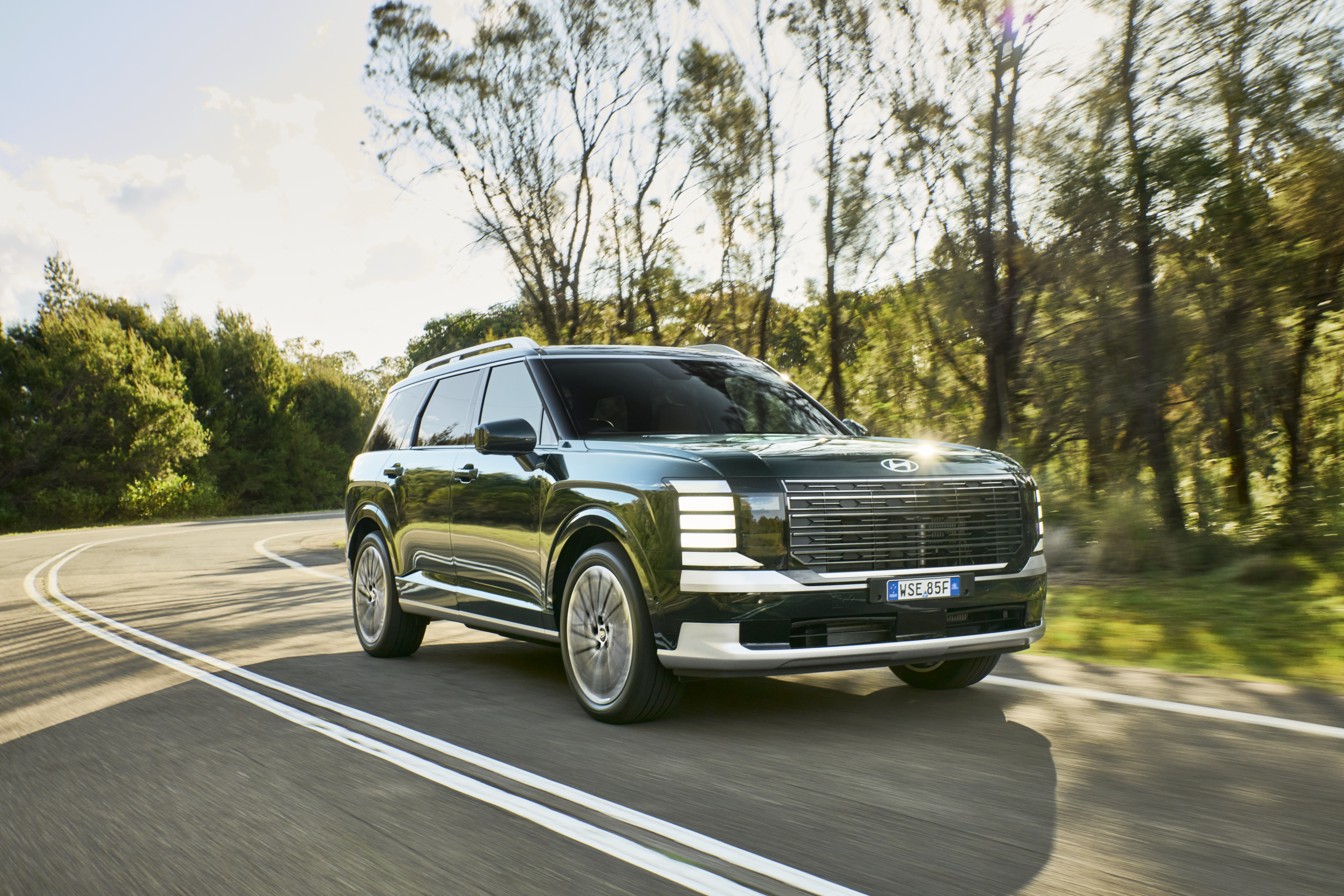
    Hyundai’s flagship SUV returns with hybrid power and a very clear mission: offer genuine luxury for significantly less than the Germans ask. The Palisade Calligraphy starts at $89,900, undercutting Volvo XC90 and top-tier Mazda CX-90 by a handy margin while matching them on size and exceeding them on standard kit. This isn’t badge engineering—it’s Hyundai flexing its premium credentials with Nappa leather, a BOSE sound system, and tech that’d make a Lexus blush. The hybrid powertrain is new, combining a 2.5L turbo four with electric assist for 245kW combined output.

    On the road? The 460Nm torque delivers hushed, strong mid-range punch, and the HTRAC AWD with clever torque vectoring provides confidence in varied conditions. Excellent local suspension tuning means the Palisade’s 2175kg kerb weight is barley felt.

    Inside? The cabin justifies the Calligraphy badge—dual 12.3″ screens, fingerprint authentication, relaxation seats with leg rests, and even UV-C sterilisation for the console. Eight seats fitted as standard, all wrapped in quality materials.

    To run? The claimed 6.8L/100km combined is impressive for a 2.2-tonne seven-seater, and Hyundai’s new seven-year warranty provides peace of mind. And forget about German-calibre servicing charges.

    The gotcha? It’s still a Hyundai at heart, and some buyers will pay extra elsewhere purely for the badge. The 21-inch wheels look sharp but could prove costly to kerb.

    Who needs this? Families wanting legitimate premium features without the prestige badge markup. Not for badge snobs or those needing serious off-road capability—that 187mm ground clearance is modest at best. Wait for the XRT-Pro version next year for tough-guy vibes

    .

    The verdict: 🟢 Lock it in

  • Cricket star Freddie Flintoff’s co-host on THAT crash and the end of Top Gear

    Top Gear star and general fast car guru Chris Harris has opened up on the accident that nearly killed English cricket legend, Andrew ‘Freddie’ Flintoff.

    Flintoff was seriously injured in an accident during filming for the BBC television show in December 2022. He received significant head trauma and has been left with disfiguring facial injuries.

    Speaking to controversial US podcaster and reality TV hard-man Joe Rogan Harris revealed not only did he feel partially responsible for the accident but that he had previously warned the BBC that a death or serious injury was likely if the show’s filming practices were not changed.

    Harris was at the Dunsfold Park Aerodrome, home of the BBC’s Top Gear test track, on the day of the accident but was not involved in filming the segment.

    He told Rogan: “I was close by. I remember the radio message — I heard someone say this there’s been a real accident… the car’s upside down. So I ran to the window looked out and he [Flintoff] wasn’t moving — I thought he was dead. Then he moved… If he wasn’t so strong he wouldn’t have survived.”

    Harris explained the Morgan Three-Wheeler Flintoff was driving required special driving techniques. He said Flintoff would have normally discussed the details with him but timing on the day did not allow this.

    “It’s a difficult car you know — just the name tells you its physics is [sic] complicated. It doesn’t mean it’s inherently dangerous — you just drive it according to what it is. You have to be aware of its limitations.”

    “There were two people that had driven a Morgan three-wheeler before present that day — me and someone else, a pro-driver and we were sitting inside at that time. No one had asked us anything about the car they just gone on and shot it without us,” Harris explained.

    “That was the first time we’d never had the chance to talk about how he [Flintoff] might approach a difficult vehicle and that was the one day that it went wrong.”

    “I find that very difficult to live with and I feel partly responsible because I didn’t get the chance to talk to him.”

    But Harris says he “saw it coming.”

    “There was a big inquiry [after Flintoff’s crash] –the BBC’s good at that. But what was never spoken about was that three months before the accident I’d gone to the BBC and said unless you change something someone’s going to die on this show.”

    “I told them of my concerns from what I’d seen as the most experienced driver on the show by a mile. I said if we carry on at the very least we’re going to have a serious injury. At the very worst we’re going to have fatality.”

    Harris commented that Top Gear was in an “arms race” with the “other show” – The Grand Tour featuring original Top Gear hosts, Jeremy Clarkson, Richard Hammond and James May.

    While Harris says he’s infinitely better off than his co-host, who is permanently scarred and is still recovering from his injuries, he bears emotional damage from the incident and consequent axing of the show.

    “I found out really that no one [at the BBC] had taken me very seriously. I did a bit of digging afterwards. The conversation I had with those people was sort of acknowledged then they tried to sort of shut me down a bit and then… they just sort of left me to rot.”

    “Even now I’m totally perplexed by the whole thing. To actually say to an organization ‘This is going to go wrong’ and then be there the day that it goes wrong is a position I never expected to be in and I never want to be in again. It’s strange and pretty heartbreaking in many ways.”

    The podcast with Rogan was the first time Harris opened up about the accident, his approaches to the BBC and their collective aftermath.

    “I’ve never told anyone. [But] I want to tell people that I did [raise my concerns] because a bit of me thought as the experienced driver, the members of the public think that I didn’t do enough to protect Andrew.”

    Harris was at pains to point out that in concept he supports the adventurous nature of the show genre and that above all he just “wanted to make good TV.”

    “My experience of that now is that if you establish really big stunts that have big vision and are ambitious [then] they tend to come with a level of rigor that means they are executed well.”

    “The difficult area is the kind of just being at a test track with a smaller crew and someone says ‘Give that a go.’”

    “That’s when it goes wrong because no one’s really thought about it.”

    Officially BBC Top Gear is being ‘rested.’ Late in 2023, the network announced: “We know resting the show will be disappointing news for fans, but it is the right thing to do… All other Top Gear activity remains unaffected by this hiatus including international formats, digital, magazines and licensing.”

    In April 2024, Harris and Flintoff’s co-host Paddy McGuinness told UK media the show hadn’t been cancelled. Flintoft is said to have recently settled a damages claim with the BBC for around $A17m.

  • First Buddy’s antics are turning customers off Tesla. If you’re Musk averse here are some smart EV choices that won’t have you pigeonholed as an Elon fan

    Elon Musk is an acquired taste. First lauded as the man who took on the auto industry and won (with an electric car) and more recently as the exec who almost single-handedly consigned NASA to the ‘also rans’ of the space race, he’s winning fewer friends of late.

    His cosying up to the Great Orange One is losing more friends than influencing people – the First Buddy label may come to haunt him. Meanwhile Musk’s recent antics with questionable hand gestures is, for some, the straw that breaks the camel’s back.

    Getting to cars just for one second, the end result of the Musky scent is his award-winning and ground-breaking mass-market Tesla Model 3 and Tesla Model Y battery electric cars are getting more than a little on the nose.

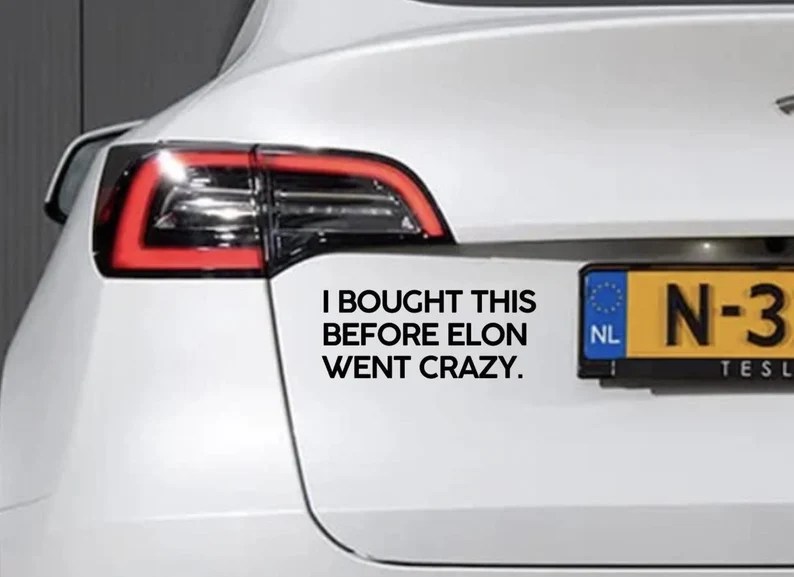
    There’s even a bumper sticker from those ready to back-pedal: “I bought this before Elon went crazy”.

    From an automotive standpoint, the Model 3 and Model Y, both recently facelifted and improved, are defining examples of the EV breed. They drive well, are very competitively priced, and (in most cases) you can buy them with little or, at worst, modest wait times. But if my phone, SMS and WhatsApp correspondence is anything to go by, a decent proportion of Aussies switching on to EVs are switching off from Tesla.

    So what to buy instead?

    Here are some smart EV choices that won’t have you labelled as an Elon lover and, perhaps more importantly, will see you behind the wheel of an EV that works…

    MG4: Winner of a number of car of the Year awards in 2023 and 2024, the MG4 has quickly established itself as one of Australia’s most compelling Model 3 alternatives. It’s been praised by the Australian motoring press for offering a Tesla-rivaling range and performance at a significantly lower price point. It’s getting a little long in the tooth, but that hasn’t dulled its great road manners and means pricing is sharper than ever. Used examples are positive bargains.

    Polestar 4: Positioned between Model 3 and Model Y in size and concept, the Polestar 4 is worth a look – even its base rear-drive model. Performance in the high-powered all-wheel-drive dual-motor variants is, er… electric. We’re fans of the 4’s distinctive coupe-SUV styling and premium interior quality. Kudos, too, for Polestar’s global chief calling out Elon for being a dick in a recent Bloomberg interview.

    BYD Seal: A svelte, swoopy sedan and a direct Model 3 competitor, the Seal gets ticks for matching Tesla’s performance metrics – and in some cases exceeding them — a competitive price point. Local pundits have praised the Seal’s build quality and driving dynamics, with particular praise for interior refinement and BYD’s proprietary blade battery technology.

    Zeekr X: The newest EV brand in this group, Zeekr, is positioning itself as the premium Chinese choice. The X is a compact SUV that’s a touch smaller than the Model Y and shares its architecture and, to a certain extent, design philosophy with Volvo’s EX30. The drive experience has been widely praised, as has its premium fit and finish and advanced tech.

    Kia EV5: And finally, let’s not forget one of the best-performing brands of 2024, Kia. A smaller sibling to the much-vaunted EV6 and EV9 seven-seat family SUV, the EV5 is in the sweet spot of the Australian car market – a mid-size SUV. Impressive real-world range, good driving dynamics and a versatile, almost conventional interior are all plus points…

    Leapmotor C10: Brand-new to the Australian market, the Leapmotor C10 is right-sized to take on the Model Y and again is in that midsize SUV sweet spot. Fit and finish gets praise, not so much the lack of smartphone mirroring which means you’re limited to native apps for things like navigation. Plenty of room and sharply priced.