Plugging into Used EV Sales: It’s a Process

Australians are hesitant about purchasing used electric vehicles (EVs) – and that needs to change.

While there’s growing interest in new EVs, the used market is struggling. Battery electric vehicles (BEVs) are lingering on dealer lots, prices are dropping, and their retained values are falling behind those of internal combustion engine (ICE) and hybrid vehicles.

This might seem like a golden opportunity for savvy buyers (both retail and wholesale), but for most used car dealers, it’s a major deterrent. And that’s a problem if we want to see more Aussies making the switch to electric.

Although there are multiple channels to purchase used BEVs, recent research from carsales shows that buyers still prefer to buy from dealerships. But they can’t buy what they can’t find.

At a recent Australian Automotive Dealer Association (AADA) event, I hosted a panel to discuss improving used EV sales, drawing on data from sources like carsales, Redbook, and Cox Automotive Australia. The data from late July aligns with the latest insights I’ve received from Cox Automotive, an industry powerhouse.

During the AADA panel, we focused on the biggest issue holding back the second-hand EV market: consumer confidence. And at the core of that concern? Batteries.

Consumer Concerns About EV Batteries

The comments we hear repeatedly from consumers are: “EV batteries don’t last,” “You’ll eventually need to replace the battery, and it’s going to be expensive,” or, ironically, “You can’t replace the battery at all, making the car worthless.”

This uncertainty isn’t just affecting buyers; it’s also discouraging dealers, who are wary of trading and reselling EVs because they’re unsure about the vehicles’ long-term value.

During the AADA panel, industry leaders like Scott Nargar from Hyundai Australia, Laurissa Mirabelli from Polestar, and fellow automotive commentator Toby Hagon helped debunk these myths. Let’s revisit the key points.

1. Do EV Batteries Really Need Full Replacement?

A common misconception is that even minor battery issues require replacing the entire pack. But how often is that actually necessary?

FACT: It’s not. Full battery replacements are much rarer than engine replacements in ICE vehicles.

FACT: Modular repairs are more likely. Rather than replacing the entire battery, manufacturers can repair or replace individual components or modules, which greatly reduces the cost and impact on a vehicle’s value.

2. Will Battery Degradation Kill Your Car?

Another concern is that EV batteries degrade quickly, causing performance to decline over time. However, the data shows this fear is largely misplaced.

FACT: Battery degradation is usually minimal. Most major EV brands report far less battery degradation than expected. For instance, studies from Polestar, Tesla, and Nissan show that batteries lose only a small percentage of their capacity even after many years. Projections suggest EV batteries will remain within usable limits well into a car’s third or fourth ownership phase.

3. Can You Accurately Check a Battery’s Condition?

This is the big one. Even if EV batteries last longer and degrade slower than people think, buyers still face a hurdle: they don’t know the condition of a used EV’s battery when they’re shopping. This lack of transparency is a huge barrier.

FACT: The industry is moving quickly to address this. International regulations are emerging that will require automakers to provide battery state-of-health (SoH) information via onboard diagnostics. While it may take some time for this to filter down to Australian cars, Cox Automotive Australia is leading the charge locally with a solution for assessing battery SoH. This could be a game-changer for the used EV market.

Addressing Valid Concerns

Mike Costello, Corporate Affairs Manager for Cox Automotive Australia, told me: “Transparent communication about a used EV’s battery state-of-health is key to establishing a stronger second-hand market. While research shows battery degradation is typically minor, customer concerns about long-term lithium-ion battery performance are valid and need addressing.”

Costello says Cox Automotive is close to launching a tool that will give accurate battery health readouts in minutes. This information can then be included in listings, just like an odometer reading or the vehicle’s build year.

He added: “Cox division Manheim Australia has already tested the SoH solution with an international provider, and the feedback from dealers and fleet managers has been overwhelmingly positive.”

Costello believes that with dedicated EV auctions now running and an expected increase in EV stock through wholesale channels by 2025, transparent battery health tests could be the missing link in boosting consumer confidence and sales.

At the very least, it could remove the biggest thorn in used EV shoppers’ sides.

What’s Next for Used EVs?

Australia’s used EV market is still in its infancy, but with the right strategies, it will grow. Battery transparency, debunking myths about longevity, and introducing industry-standard diagnostic tools are all critical steps to building trust.

For consumers, now might be the ideal time to consider going electric. Prices are falling, and battery technology is proving more reliable than many think, making this a prime moment for savvy buyers to secure a deal.

For dealers, recognizing that EVs are here to stay — and preparing now — will lead to significant future opportunity. Time to plug in…
Matt Braid on Toyota’s Supercars tilt

The last man to bring a brand into Supercars gives Toyota’s decision the thumbs up.

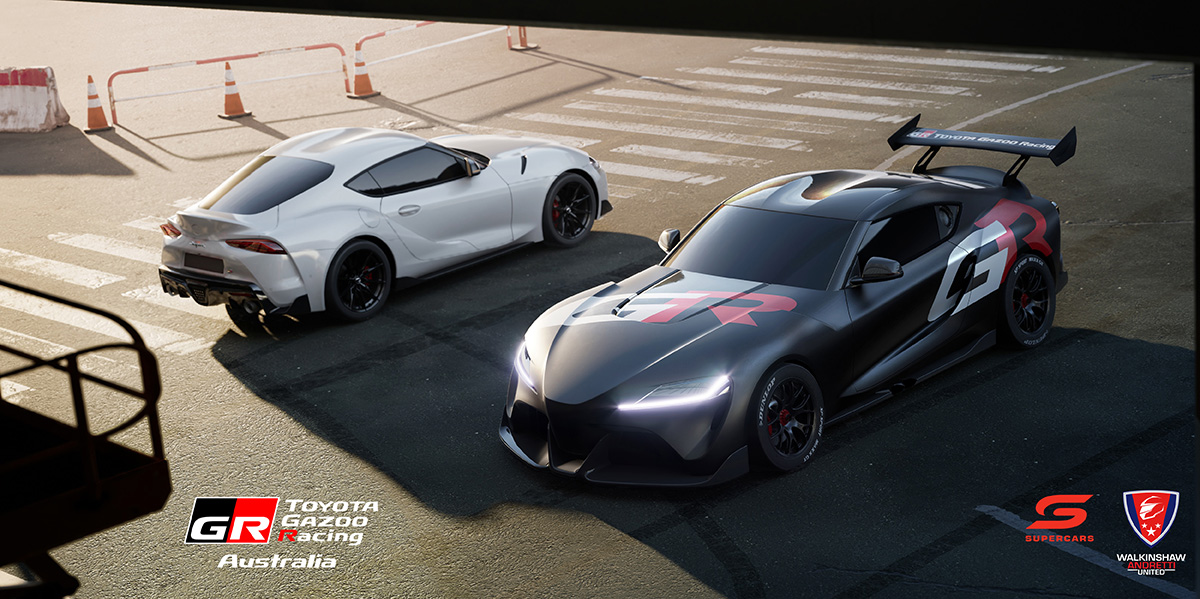
Toyota Australia’s announcement that it will enter Supercars is about as big as motorsport news gets.

It’s a huge boost for the series. Toyota’s marketing and activation muscle is unrivalled Down Under. While it will certainly be good for Toyota, it will inevitably be great for Supercars as well. This red tide will raise all boats.

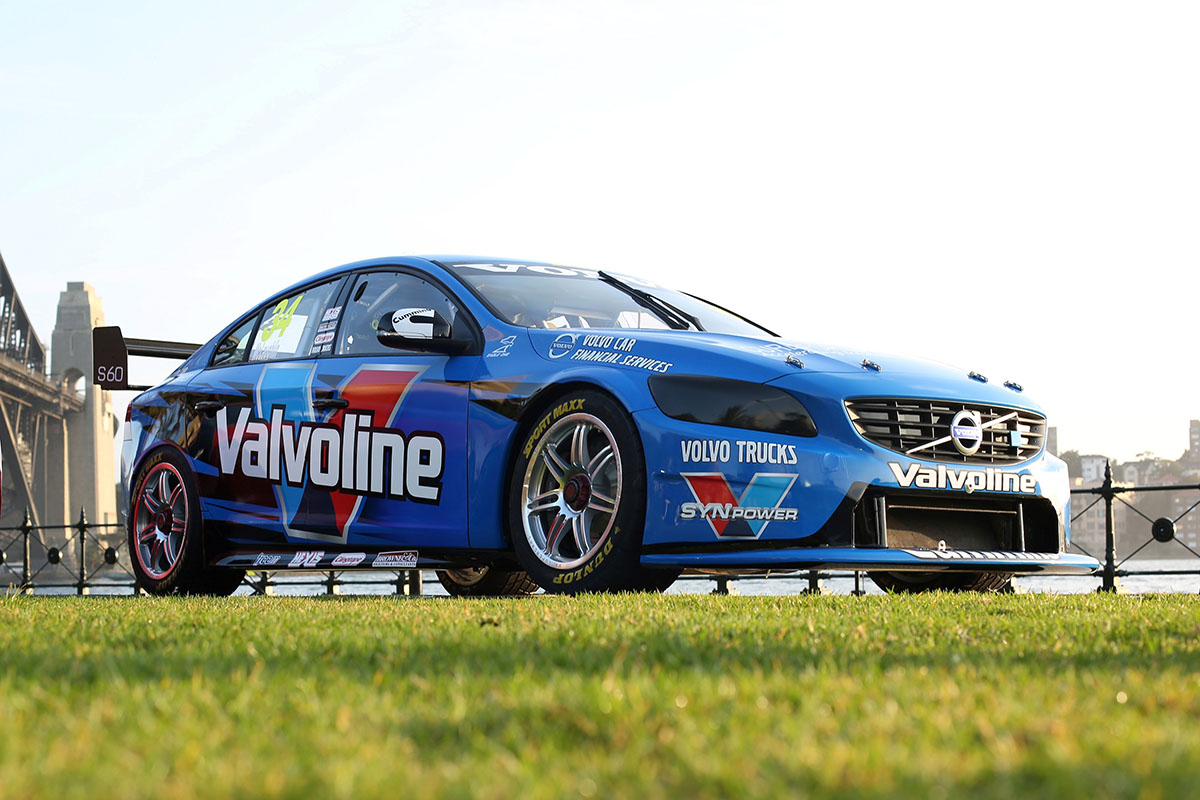
The last manufacturer to join Supercars was Volvo. Although its involvement was relatively short-lived, it was successful – both on and off the track. The architect of Volvo’s Supercars entry was Matt Braid, then CEO of Volvo Australia. Braid later went on to become the Managing Director of Supercars – a poacher turned gamekeeper of sorts.

He’s ideally placed to comment on the challenges and opportunities Toyota faces as it sprints toward the 2026 Supercars series, with Walkinshaw Andretti United as its homologation team.

I expected Braid to be the first call for many motorsport commentators. When he wasn’t, curiosity got the better of me. So, I picked up the phone.

“They’ve been the biggest target for a long time,” Braid said from his Sydney base.

“I saw Tony Cochrane say that the one thing he regrets is not being able to get Toyota. It was the same when I was at Supercars. James Warburton, John Casey, and I pushed pretty hard, but credit to the team now – they’ve scored the big one.”

Braid notes that Toyota’s vice president, Sean Hanley, is key to this decision. A lifelong Toyota and Lexus executive, Hanley has had Supercars in his sights for decades but played the long game. It’s only now that the stars have aligned. Make no mistake, however – without Hanley’s considerable influence within the company, the Supercars business case would likely never have progressed.

“It could only happen with Sean Hanley,” Braid agreed.

“He likes the sport, but it’s not just a love affair. He sees the benefit. He was behind the [Toyota 86 series], and the [Lexus] Safety Car… They dipped their toe in the water for a long time, getting everything right before putting the [successful] business case forward.”

“Getting the business case approved was probably the biggest hurdle… Now, keeping it relevant in their global sphere is key. It will be interesting to see how they manage that and maintain global support over the [pre-2026] period to achieve their goals…”

Braid knows all too well the complexity of modern automotive marketing. He masterminded Volvo’s Supercars entry and says the real work has just begun for Hanley and his Toyota team – both in the boardroom and the workshop.

“It’s scary that it’s been that long [since a new brand entered Supercars], but the Australian market is vitally important to Toyota. They’re in a different position than Volvo was at the time.

“Getting the business case approved was probably the biggest hurdle… Now, keeping it relevant in their global sphere is key. It will be interesting to see how they manage that and maintain global support over the [pre-2026] period to achieve their goals,” Braid said.

On the technical side, Braid praised Toyota’s decision to partner with the Walkinshaw Group. This partnership goes beyond the racetrack – they’re working together on the local left-to-right-hand drive conversion of Tundra full-size US-market pickups, a world-first for Toyota.

More Toyota USA products are expected to follow the Tundra’s late-2024 release.

Local expertise is essential, Braid asserts.

“We’ve seen it before where a big manufacturer wants to get involved. Often, they dive in and try to do it all themselves, and it doesn’t work.

“It’s critical to link with a local team that has deep knowledge of the series and solid engineering capabilities. We saw Mercedes-Benz attempt this through AMG – they thought, ‘We know engines and cars, we’ll do it our way,’ but it didn’t work out.

“But Ryan Walkinshaw and his team are the perfect partners. They understand the pressures and opportunities on the OEM side, and partnering with Toyota is a huge win for them,” Braid said.

Toyota joins Supercars as the clear number one auto brand in Australia. Braid says he’ll be watching closely to see how Toyota engages with the public over the next 12 months as it prepares for its on-track debut.

“They’ve already got a great platform to communicate this news and build on it. Getting the reach won’t be an issue – the interesting part will be the content they create to communicate [their participation].

“With Volvo, we didn’t quite have the same reach, which impacted the market [opportunity]. We had to work harder to get the news out and showcase the brand. Toyota already has a ready-made audience, so they can focus more on the content to rev it up.”

Braid also sees off-the-shelf assets that Toyota can leverage.

“They have the Gazoo Racing brand and blending that into Supercars will be fascinating to watch. They already have cars on the road that can support their efforts.

“Every manufacturer is looking for an edge – both for their brand and how they promote it. The racing side is one thing, but engaging with drivers’ personalities is another.

“‘Shoulder content’ has become critical in sports. Drive to Survive is the obvious example – there’s now huge demand for the peripheral stories around racing, and I think Toyota will be able to leverage that.”

Braid adds that the engagement of Toyota’s 270-strong dealer network around Australia will be another key element.

“It’s a galvanizing experience. At Volvo, we brought our dealer network along for the journey, explaining why we wanted to go racing. It was a big leap for us, but the dealers backed it 100 percent – even pushing for the Polestar blue road cars. They jumped on board quickly.”

He recalls how racing united typically competitive dealers:

“There’s nothing better than everyone coming together to back one team. After our first race event in Adelaide, every dealer was in the hotel restaurant, toasting each other, cracking champagne. One of the senior Volvo execs [from Sweden] said he’d never seen a group of dealers come together and celebrate like that.

“That’s the power of getting behind a sports team – especially a motorsport team. I think it’s a real benefit.”

Braid is confident in Toyota’s success and adamant that this is great news for Supercars.

“It couldn’t have come at a better time,” he said, referring to speculation about Toyota’s impact on television rights negotiations.

“Any addition like Toyota has to help. This move will keep the other Supercars manufacturers on their toes and might also prompt other brands to take another look.

“I can’t give enough credit to those involved. It’s a big win, and as someone who tried to get Toyota involved, it’s a huge coup.”