Volvo’s decision to retain ICE in its portfolio is a clear indication EV uptake is too slow to pay the bills
Volvo’s delay of going all-electric prompted me to dig up a transcript of an interview I did with Volvo boss Jim Rowan during a visit to Australia in early 2023…
Rowan made it very clear Volvo Cars couldn’t afford to invest in development of both ICE and EV. He championed the technological superiority of electric powertrains. But also conceded that EVs would be accepted at different rates around the world.
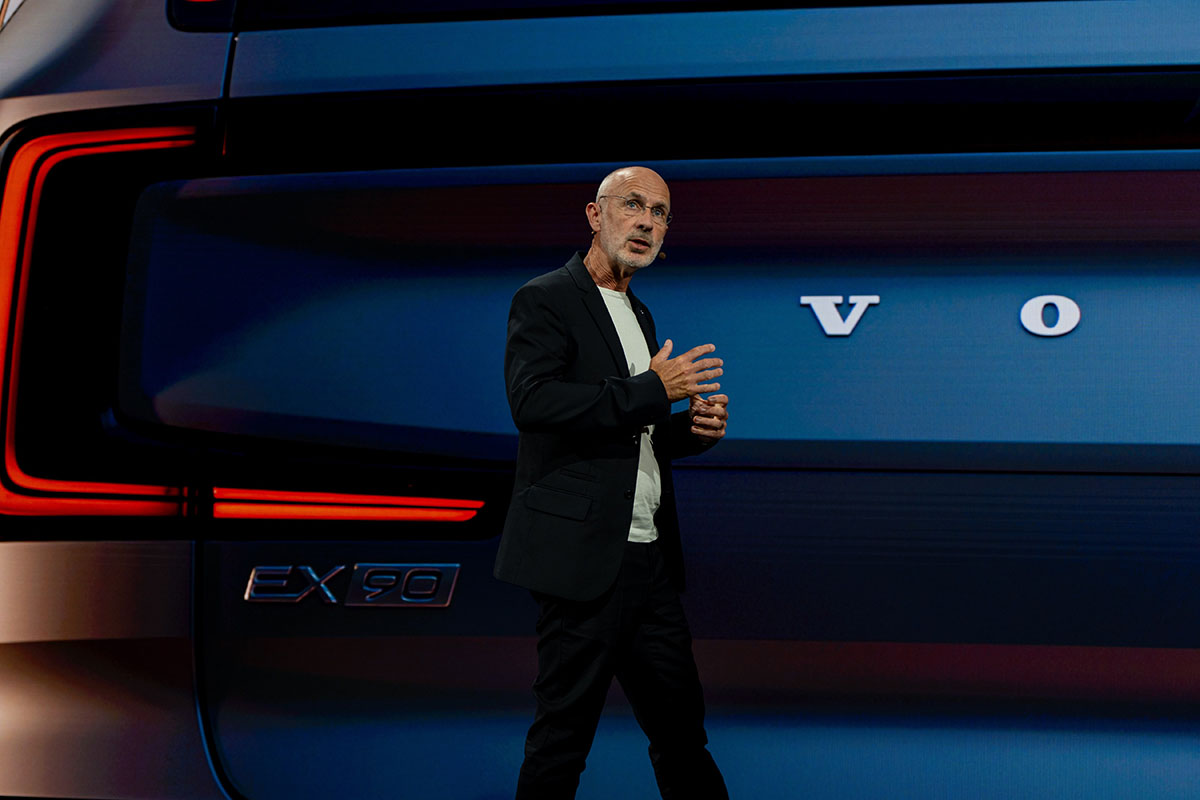
Rowan’s comments then make instructive reading now as the first world [re]considers personal transport options…
“I look at it [internal combustion] as an engineer. If I look at an internal combustion engine, it runs at an efficiency of about 35% because you lose so much to noise and heat and vibration. Our new e-motors are running at 93% efficient… There’s less vibration, there’s less noise, there’s higher efficiency, there’s zero tailpipe emissions. It feels that technology is going to be the next relevant technology for mobility,” Rowan commented
“And the same way as we moved from steam to internal combustion 100 years ago –because steam was good for its day but it had limitations and then of course internal combustion came … The same thing, I think, is going to happen over the next generation but it will be electric.
“[But] We need to understand the nuances at each market. If you look at the US as an example: the US is changing to electrification quickly on the coasts. In the interior [Midwest], then that’s slower, and the big push there is then PHEVs.
The same way as we moved from steam to internal combustion 100 years ago… I think, is going to happen over the next generation but it will be electric
“What’s interesting is the people who buy a PHEV and they need a second car, almost all of them go straight to BEV. They like the electric drive experience, and they’ve already got the kind of a safety net with the PHEV and then they go full electric on a second car or a third car — car for the kid, or whatever.
“So, I think it will be different in different parts of the world. We’ve said we’ll be fully electric by 2030. I think we will be. I think the market will move. That’s a decision that we take as part of our strategy. And I think we’ll be proven right. But it’s not going to be detrimental to the company as a whole because enough of the market will move to electric that we can take up that market share,” Rowan stated.
So, what’s changed? Is Volvo’s latest decision a concession that not enough of the global car market is going to shift? Interesting times…
 petrolhedonist