Australians are hesitant about purchasing used electric vehicles (EVs) – and that needs to change.
While there’s growing interest in new EVs, the used market is struggling. Battery electric vehicles (BEVs) are lingering on dealer lots, prices are dropping, and their retained values are falling behind those of internal combustion engine (ICE) and hybrid vehicles.
This might seem like a golden opportunity for savvy buyers (both retail and wholesale), but for most used car dealers, it’s a major deterrent. And that’s a problem if we want to see more Aussies making the switch to electric.
Although there are multiple channels to purchase used BEVs, recent research from carsales shows that buyers still prefer to buy from dealerships. But they can’t buy what they can’t find.
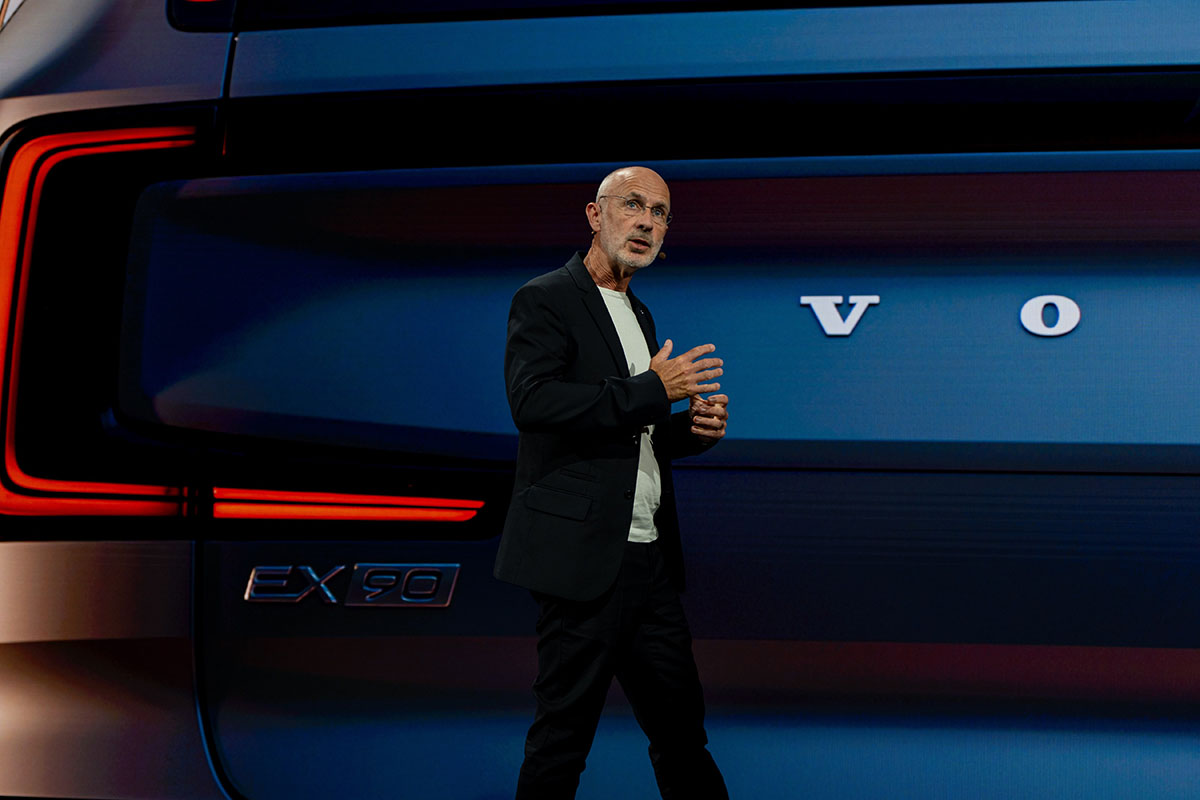
At a recent Australian Automotive Dealer Association (AADA) event, I hosted a panel to discuss improving used EV sales, drawing on data from sources like carsales, Redbook, and Cox Automotive Australia. The data from late July aligns with the latest insights I’ve received from Cox Automotive, an industry powerhouse.
During the AADA panel, we focused on the biggest issue holding back the second-hand EV market: consumer confidence. And at the core of that concern? Batteries.
Consumer Concerns About EV Batteries
The comments we hear repeatedly from consumers are: “EV batteries don’t last,” “You’ll eventually need to replace the battery, and it’s going to be expensive,” or, ironically, “You can’t replace the battery at all, making the car worthless.”
This uncertainty isn’t just affecting buyers; it’s also discouraging dealers, who are wary of trading and reselling EVs because they’re unsure about the vehicles’ long-term value.
During the AADA panel, industry leaders like Scott Nargar from Hyundai Australia, Laurissa Mirabelli from Polestar, and fellow automotive commentator Toby Hagon helped debunk these myths. Let’s revisit the key points.
1. Do EV Batteries Really Need Full Replacement?
A common misconception is that even minor battery issues require replacing the entire pack. But how often is that actually necessary?
FACT: It’s not. Full battery replacements are much rarer than engine replacements in ICE vehicles.
FACT: Modular repairs are more likely. Rather than replacing the entire battery, manufacturers can repair or replace individual components or modules, which greatly reduces the cost and impact on a vehicle’s value.
2. Will Battery Degradation Kill Your Car?
Another concern is that EV batteries degrade quickly, causing performance to decline over time. However, the data shows this fear is largely misplaced.
FACT: Battery degradation is usually minimal. Most major EV brands report far less battery degradation than expected. For instance, studies from Polestar, Tesla, and Nissan show that batteries lose only a small percentage of their capacity even after many years. Projections suggest EV batteries will remain within usable limits well into a car’s third or fourth ownership phase.
3. Can You Accurately Check a Battery’s Condition?
This is the big one. Even if EV batteries last longer and degrade slower than people think, buyers still face a hurdle: they don’t know the condition of a used EV’s battery when they’re shopping. This lack of transparency is a huge barrier.
FACT: The industry is moving quickly to address this. International regulations are emerging that will require automakers to provide battery state-of-health (SoH) information via onboard diagnostics. While it may take some time for this to filter down to Australian cars, Cox Automotive Australia is leading the charge locally with a solution for assessing battery SoH. This could be a game-changer for the used EV market.
Addressing Valid Concerns
Mike Costello, Corporate Affairs Manager for Cox Automotive Australia, told me: “Transparent communication about a used EV’s battery state-of-health is key to establishing a stronger second-hand market. While research shows battery degradation is typically minor, customer concerns about long-term lithium-ion battery performance are valid and need addressing.”
Costello says Cox Automotive is close to launching a tool that will give accurate battery health readouts in minutes. This information can then be included in listings, just like an odometer reading or the vehicle’s build year.
He added: “Cox division Manheim Australia has already tested the SoH solution with an international provider, and the feedback from dealers and fleet managers has been overwhelmingly positive.”
Costello believes that with dedicated EV auctions now running and an expected increase in EV stock through wholesale channels by 2025, transparent battery health tests could be the missing link in boosting consumer confidence and sales.
At the very least, it could remove the biggest thorn in used EV shoppers’ sides.
What’s Next for Used EVs?
Australia’s used EV market is still in its infancy, but with the right strategies, it will grow. Battery transparency, debunking myths about longevity, and introducing industry-standard diagnostic tools are all critical steps to building trust.
For consumers, now might be the ideal time to consider going electric. Prices are falling, and battery technology is proving more reliable than many think, making this a prime moment for savvy buyers to secure a deal.
For dealers, recognizing that EVs are here to stay — and preparing now — will lead to significant future opportunity. Time to plug in…
 petrolhedonist