It may not be the engineering purist’s choice but plug-ins make sense IRL…
Like many of my colleagues I labelled plug-in hybrids as flawed tech initially. More recently, personal experience has changed my mind.
Living across inner city and a country destination with disparate wants of EV motoring in town and the ability to tow a boat (or a racecar) on weekends delivered an opportunity to reconsider. And so far, the experience has been unerringly positive.
OEM claims aside, the PHEV we purchased can only deliver around 30km of real-world EV range but with daily commutes lucky to be half of that and a charger at home, we’re perfectly placed.
Ours is a full-size SUV with a towing rating north of 3000kg. In town EV performance is quiet and quick. With a load on, its towing ability is better than solid. Unshackled it’s fast enough to have me keeping a weather eye on the boys in blue.
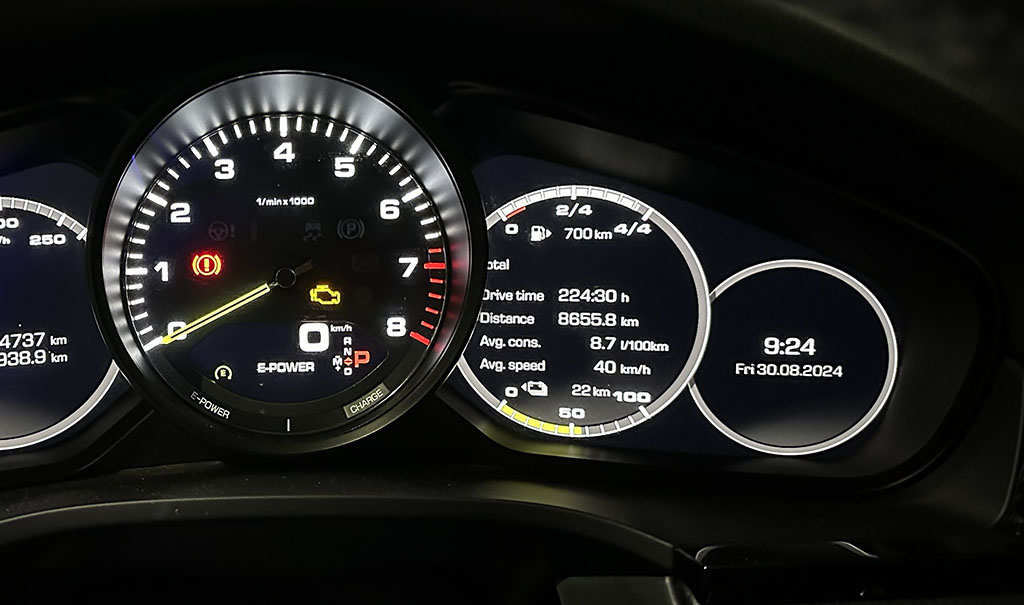
What’s been surprising, however, is the overall experience – and not just in terms of frugal fuel use. After nearly 9000km of varied use we’re averaging well under 9.0L/100km (better than its diesel counterpart) but the standout is the ‘normal’ hybrid operation which is smooth, seamless and refined.
In town EV performance
is quiet and quick. With a load on
its towing ability is better than solid…
Purists will call out the ‘two powertrains’ lament, but with the next generation of PHEVs set to offer EV ranges closer to 100km, this is a technology that more Australians can and should consider for their next car.
Let’s hope commonsense prevails and the various factions in Canberra understand the opportunity plug-ins can deliver Aussie car buyers and ensure incentives remain for their uptake.
 petrolhedonist