Australia has built an entire identity around the ute. New numbers suggest it’s the worst possible vehicle for the trip Aussies want it to do.
Picture this, somewhere on the Hume, a charging bay has two new electric car owners pondering their life purchases. One is back on the road in 18 minutes. The other has ordered a parma.
The brave new world of the battery BMW versus electric HiLux – and the Aussie road trip result is resounding in favour of the German.
Electrified car website EV Central has put every electric car on sale in Australia through the same imaginary road trip – 1000km at highway pace, starting full, stopping at ten per cent, charging to 80 – and ranked them on the only figure that matters when you actually want to be somewhere: total hours, charging included.
The clever part is where the charging times come from. Not manufacturer claims, but real-world 10-80 per cent data from Melbourne EV data outfit Carloop. What the cars do, not what the brochure hopes. Fingers crossed.
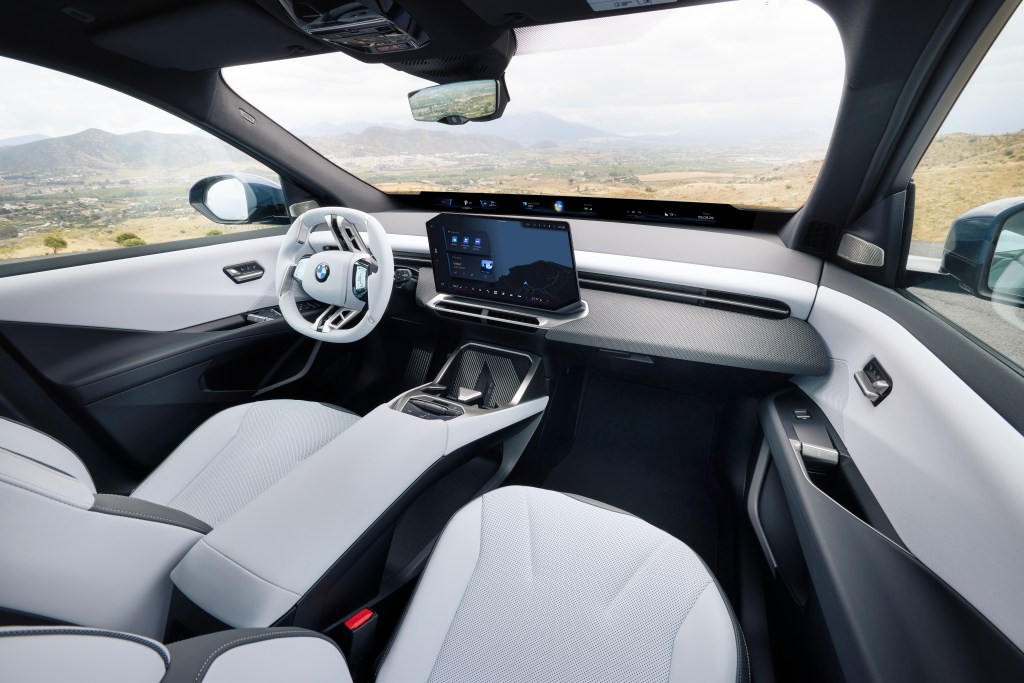
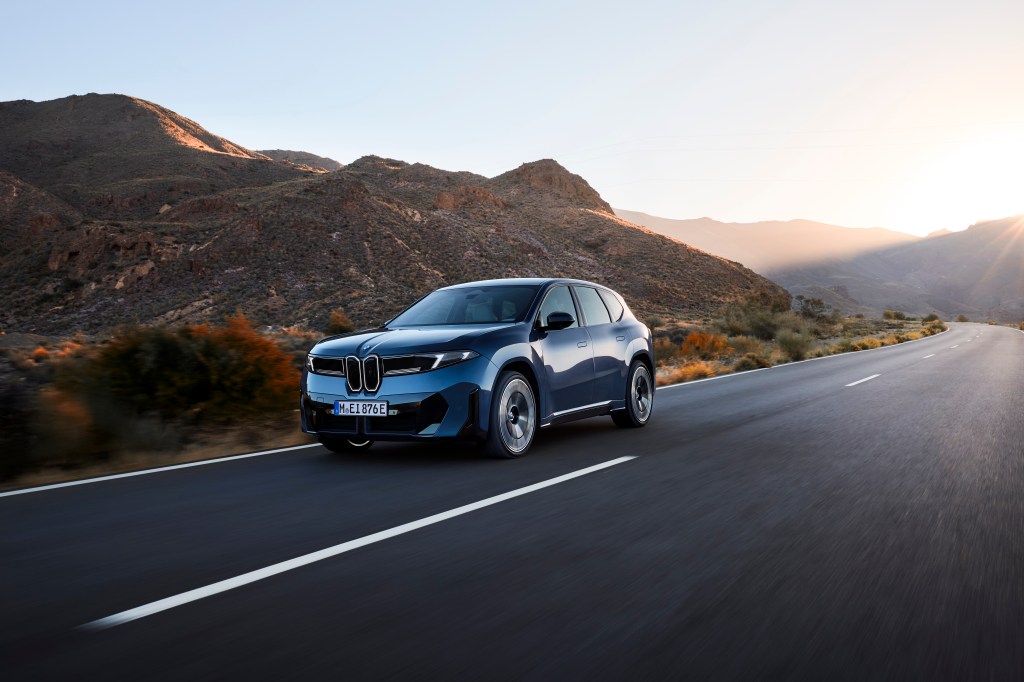
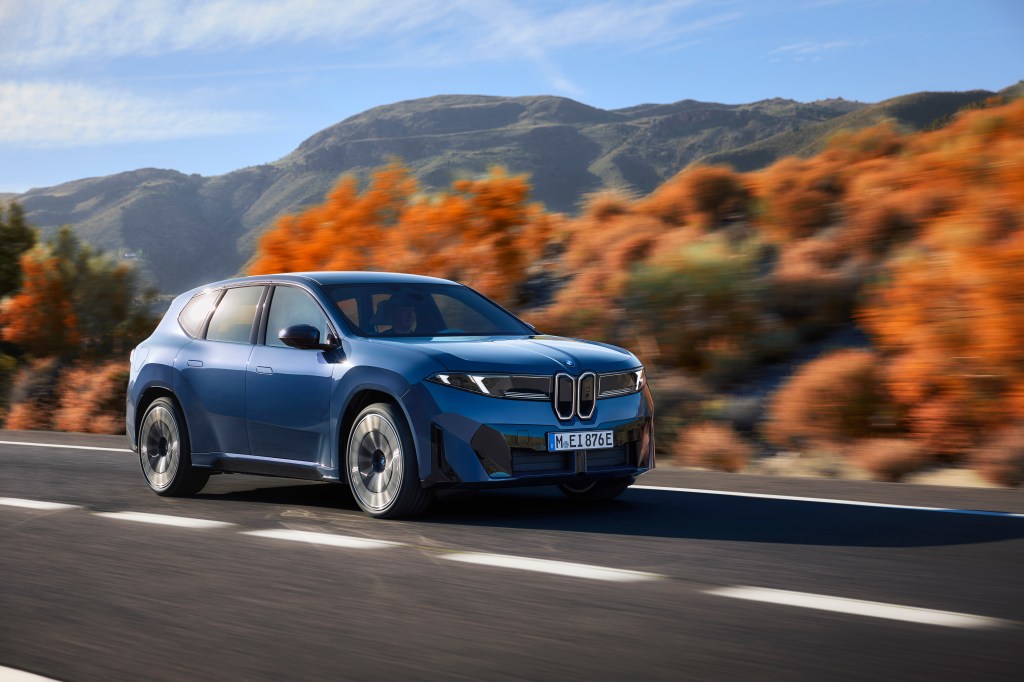
The winner is a DMARGE favourite: the new BMW iX3 50 xDrive: ten hours and 24 minutes, and one stop.
One. A single coffee between you and 1000km, in a mid-size SUV. The long-distance problem, it turns out, has quietly been solved by the sort of car the cliché says is more at home at school pick-up.
And at the other end of the table. The Toyota HiLux BEV – from $74,990, Australia’s newest electric ute – takes 14 hours and 33 minutes. Nine stops. Four hours and nine minutes behind the BMW, which is not so much a slower road trip as you arriving on a different day.
Nine stops isn’t a drive. It’s a hostage situation with a potential caffeine overdose as part of it.
Yes, it’s an unfair fight.
A luxury SUV against a workhorse is a category error, and Toyota’s public relations team is already typing. Fine. But the point was never that the BMW makes a better ute. It’s that an ordinary family car has cracked the long haul while the vehicle we specifically buy for long hauls hasn’t come close.
The second objection is better: how often does anyone drive 1000km in a day? But also so completely beside the point.
We buy utes for what we picture ourselves doing. The Big Lap. Birdsville. The rooftop tent deployed twice, both times in the driveway. Nobody has ever stood in a dealership and thought about the 14km commute – they think about the red dirt horizon in the advertisement, because that horizon is what the ute is sold on.
And that’s why this particular result stings. EV Central hasn’t documented some obscure edge case. It has put numbers around the exact trip the marketing department promised you, and the answer is a deal-breaker…
The industry worked this out first.
Look at what is actually on sale. Australia’s electrified ute aisle is almost entirely plug-in hybrid – Ranger PHEV, BYD Shark 6, GWM Cannon Alpha PHEV – with only a thin handful of full-electric utes beside them. That is every ute maker in the country staring at the same physics and quietly keeping ICE as an insurance policy.
And it is physics, not software. A two-and-a-half tonne ladder-frame brick with the aerodynamics of a shipping container and a tray full of moving air will always pay a penalty a slippery SUV does not. Bigger batteries only make it heavier. This isn’t one generation away from being fixed. It’s a shape problem, and shape is the one thing the ute cannot negotiate.
So what are we actually asking for?
We want the vehicle to stay exactly as it is – the tray, the towbar, the stance, the whole costume – and we want it to run on electricity, and we want it to do Melbourne to Noosa without turning into an endurance event.
Simply, this is a bridge too far… For now at least, Australia can have its electric future, or it can have the ute in its current form this decade. It cannot have both, and the numbers now say so out loud.


Leave a Reply