So long and thanks for all the fish…

As many of my friends and colleagues across the auto and media landscapes already know, I’ll shortly leave my seat at carsales.

Corporate entities make decisions on their own timetables. Sometimes the changes suit the individuals involved. Other times they do not. Were it ever so…

The change for me comes after over 30 years of evolution. Such are the vagaries of the auto and powersports media landscape that there’s direct continuity back to the Spring day I started at Australian Motor Cycle News in 1993. In the interim, I’ve worn a carsales logo for almost the last 20 of those years…

I’m immensely proud of the body of work I’ve helped create. But also the culture we built and the commitment to the importance and value of independent, consumer-focused content.

There were always commercial realities to address, but I’ve been lucky to have senior executives that have supported the concept of independent journalism. And placing consumers at the centre of the content you create…

Sure, it’s easy to see carsales as a commercial-first platform. The irony of that is the carsales business model is still the best able to support content that is properly independent. Revenue from multiple sources will always trump sole dependence on sponsored content or even ‘sharp’ (and frankly at times questionable) pay per click or pay for visibility models.

It’s appropriate I acknowledge key people. Although difficult, I will keep the list very short.

The order in which I do so is not a measure of their importance… I’ve always had a bit of a scatter gun approach to my writing, why should that change now…

First up, the late, great Ken Wootton. ‘Wooser’ has been gone more than a decade, but I owe him for my start. Ken got ‘tough love’ half right. He trained as a teacher and continued to teach when his career moved from the classroom to journalism. The work ethic and commitment to quality content which I and others still hold dear was instilled in us by Ken.

The true value of independent editorial is hard to overestimate but is easily misunderstood. I was fortunate that carsales founder Greg Roebuck saw the opportunity it presented a business that had no content pedigree. Along with then Board Chair, Wal Pisciotta, Greg delivered the resource we needed to do things right… I hope Greg and more recently Cameron McIntyre still think fondly of the annual budget tussles.

The strong support from the auto brands I’ve enjoyed and the results the carsales content team delivered are the result of a team effort. The team’s longevity belied the industry average and that’s in a large part thanks to the two professionals who worked tirelessly to lead the team alongside me.

Marton Pettendy has forgotten more than most modern car writers will ever know. A proper wordsmith, he has the ability to call car brands to account and yet maintain an amiable working relationship 24/7… Skeptical, not cynical – as a good journo should always be…

On the production side of our business Ian Strachan is and remains the consummate content production exec – flexible, thorough, forward looking and dedicated. Without Ian’s influence our content would have been bytes not highlights.

I can’t thank you two enough.

To the rest of the carsales Content team, those who have moved on and those left behind, my sincere thanks also. All of you should be immensely proud of the body of work you’ve created and the work you’ll continue to do – whether within the organisation or in new pastures.

There’s a great future ahead for you all.

Finally, on the other side of the auto and powersports fence, I’ve worked with myriad stakeholders – execs, PRs, practitioners, hands-on engineering types and more.

I number many of you as friends. And I continue to learn from you every day.

We all have a job to do – kudos to those who remembered that my job and that of my team was not to be your brands’ cheerleaders. There are no media success stories, nor bestselling brands nor models without informed, engaged consumers. Most of us managed to remember that most of the time.

I could go on, but that’s far too much self-indulgence for now…

Get back to work you lot… I plan to…

Sinkers
Badge engineering

The at-times scandalous history behind some of the world’s most famous auto symbols

A picture may paint a thousand words, but the iconographs that identify car brands go even further. At the blink of an eye they associate lumps of alloy, steel, leather and rubber with not only a brand’s life-story but also a whole swag of ideals, values and lifestyle associations.

The stories behind these brand icons have taken on a life of their own. So much so, that some have become urban myths – why let the facts get in the way of a good story.

benz-tri

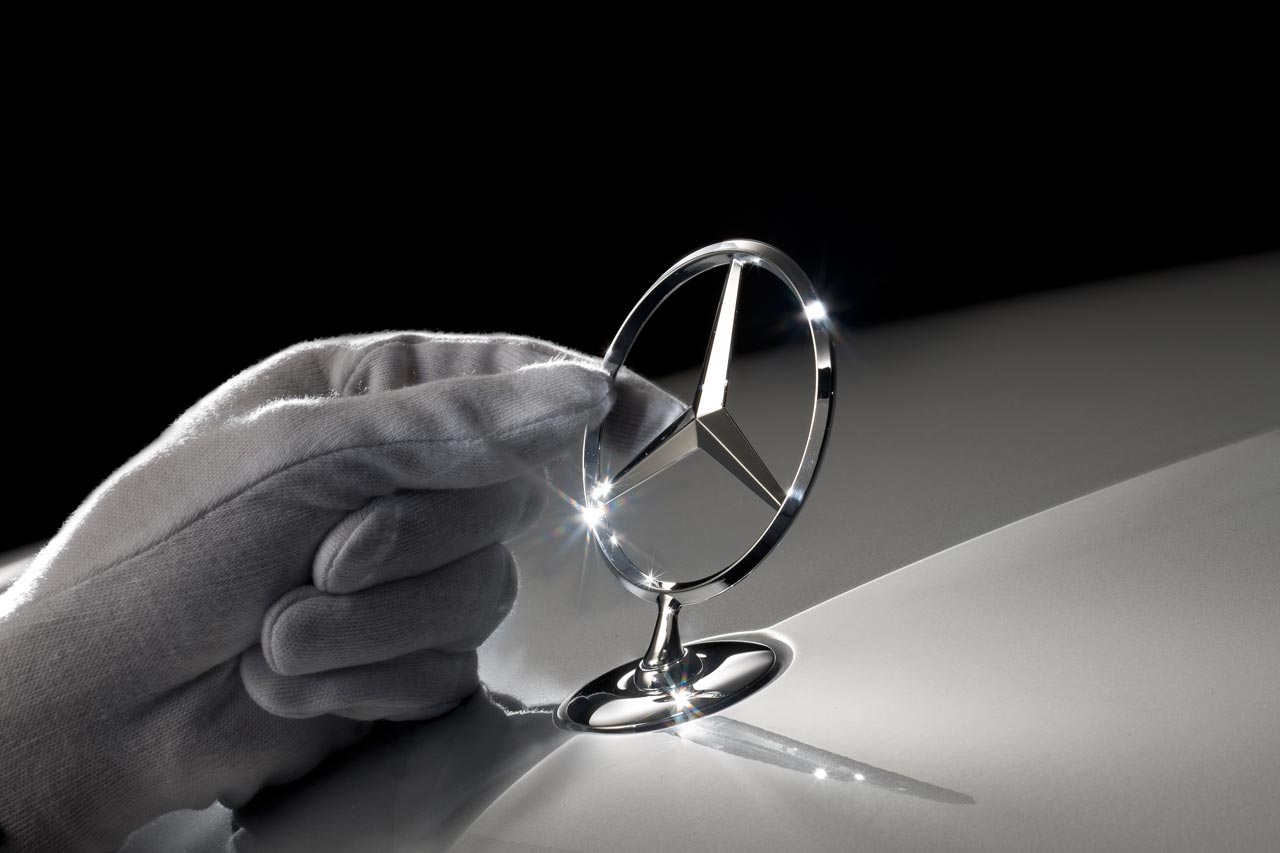
Arguably the most identifiable of all automotive brand symbols is Mercedes-Benz’s three-pointed star. Supposedly the three-pointer was meant to symbolise the founder Gottlieb Daimler’s ambition of “universal motorisation” in the air, on the water and, of course, on the roads of Europe. The truth of the choice of the tristar potentially has much more prosaic origins.

The company’s official history states, when searching for a trademark for the already successful company, Paul and Adolf Daimler (Gottlieb’s sons) remembered that their late father had once used a star as a symbol. As far back as 1872 Gottlieb had “marked a star above his own house on a picture postcard of Cologne and Deutz, and had written to his wife that this star would one day shine over his own factory to symbolize prosperity”.

The tristar was registered (along with a four-pointed design) in 1909, then in 1916 a band joining the tips was added, in which four small stars and the word Mercedes were integrated. The finished object, still very recognisable as the symbol today became a registered trademark in 1923.

Archrival BMW also registered a circular icon in the open decades of last century (1917) – very recognisably linked with the blue and white ‘Roundel’ that is still used today.

Many would have that the logo is a representation of a spinning aeroplane propeller but this is one of those urban myths. In fact, the truth is as simple as BMW’s name Bayerische Motoren Werke [Bavarian Motor Works].

The blue and white are drawn directly from German state Bavaria’s flag. They are reversed in position as it was then illegal within Germany to use national symbols in a commercial trademark.

Real BMW aficionados suggest the idea that the badge symbolised a spinning prop comes from a 1929 advertisement which featured a biplane with the image of the roundel in its propeller. That timing corresponds with the company gaining the rights to build Pratt & Whitney aero engines under licence.

Rolls Royce has a very recognisable double-R badge but the story behind that is nowhere near as interesting as that behind the brand’s other enduring symbol, The Spirit of Ecstasy.

Spirit is also known as The Whisperer, a nod to the fact the statuette was the celebration of a secret but ultimately tragic love affair between a British aristocrat and his secretary. The story has even been turned into a film.

The who were Lord Montagu of Beaulieu and Eleanor Thornton. The when was the turn of the 20th century when accounts say Montagu fell in love with ‘Thorn’ when she started work for him on his magazine, The Car Illustrated.

The symbol that tops the radiator on (almost) every Rolls Royce depicts Eleanor “in fluttering robes, pressing a finger to her lips to symbolise the secret of their love”, official histories state.

Montagu’s wife knew of and condoned the affair and even became friends with Thornton (who would also have Montagu’s child) but the whole arrangement was kept secret from all but a very small circle of friends.

The tragic end came during WWI when the ship Montagu and Eleanor were travelling on was torpedoed in the Mediterranean. Though he survived, the love of his life went down with the ship.

We think of ‘manufactured’ brands as a modern invention but the Swedes did it with their national treasure many, many decades ago. No, not ABBA, Volvo!

When the Volvo brand was created by founders at the conglomerate SKF, it was in part a bastardisation of the verb ‘roll’ in Latin but what sealed the deal was that the world Volvo was easy to pronounce in most languages and minimised the potential of spelling mistakes.

When it came to a symbol the marketeers wanted something strong, masculine and Swedish. Their choice was the ancient chemical symbol for iron — a circle with an arrow pointing diagonally upwards to the right.

Sweden was one of the pioneers in complex metallurgy… One box ticked. And the icon also symbolised the planet/god Mars in Roman mythology – hence the masculine overtones. Ticked again… Ironic, now, that Volvo is one of the auto brands that boasts the highest percentage of female purchasers worldwide.

Closer to home Holden’s lion badge has a long history that reportedly dates back to 1926 when the company (then a body builder) commissioned a new logo based on the ‘Wembley Lion’.

Egyptology was all the rage then and the lion was the symbol of London’s 1924-25 British Empire Exhibition. Added to it was reference to the fable that ancient man came upon the idea of the wheel after observing a lion rolling a stone. Both the lion and the stone can be seen –even in the most modern iteration of the Holden badge – one that will see out the local production of cars wearing it.

Two of the most iconic automotive badges are, legend suggests, inextricably linked – those of Ferrari and Lamborghini.

The Ferrari ‘Cavallino Rampante’ badge is linked to the symbology used by an Italian WWI airforce ace, Count Francesco Baracca. Accounts say a young Enzo Ferrari met the flyer’s parents who ‘bequeathed’ the symbol to the young racer as a good luck totem. It should be noted that Baracca’s good luck ran out before this point – he’d been shot down and killed.

Still, Ferrari made the symbol his own by keeping the black stallion but adding the yellow of his Modena hometown to the background.

Nearly half a century later one of Ferrari’s best customers, Ferruccio Lamborghini, fell out with the notoriously cantankerous Enzo to such a degree he decided to start making cars in competition.

Another urban myth suggests that Lamborghini’s first move was to poke serious fun at the iconic Modena brand’s logo. His choice – a rampant yellow bull on a black background…

The future’s not necessarily automatic

If you’re expecting an autonomous car to take the drudge away from tomorrow’s Monday morning commute, you’re going to be disappointed… For a long, long time.

Autonomous might be the buzz word that’s beset the automotive world of late but for the foreseeable future, it’s fool’s gold.

Proponents will say (correctly) that much of the technical know-how is already in place. But the realists among the key researching brands including Mercedes-Benz, Volvo and the giant Volkswagen Group, admit privately the legislative and social frameworks that must coalesce before fully autonomous cars can be anything more than a PR play thing are far, far into the future.

And that’s even before we talk about the lag time that we face on any significant driverless functions thanks to poor infrastructure and the technophobic automotive rules in place Down Under.

Auto-parking is a function available even in low-priced, mass market new cars. Drive at slow speed and when requested the car will detect an appropriately sized parking space and then, via functions that differ brand by brand, steer the car into either a parallel of 90-degree space. The driver must operate the brake and accelerator, but the steering is automated.

Already today, however, carmakers have the ability to automate their cars to a level that the driver can alight from the vehicle and direct it to drive away (autonomously) to find a vacant car spot and park itself!

It’ll even return to pick you up at the push of a button.

Here Rover!

While this might sound like God’s gift to serious shoppers, the road blocks in place between the theoretical and the actual are myriad.

Can you imagine how a mix of automated and human parkers might work at your local Fashion Capital during the Christmas countdown? It’d be entertaining to watch, at least…

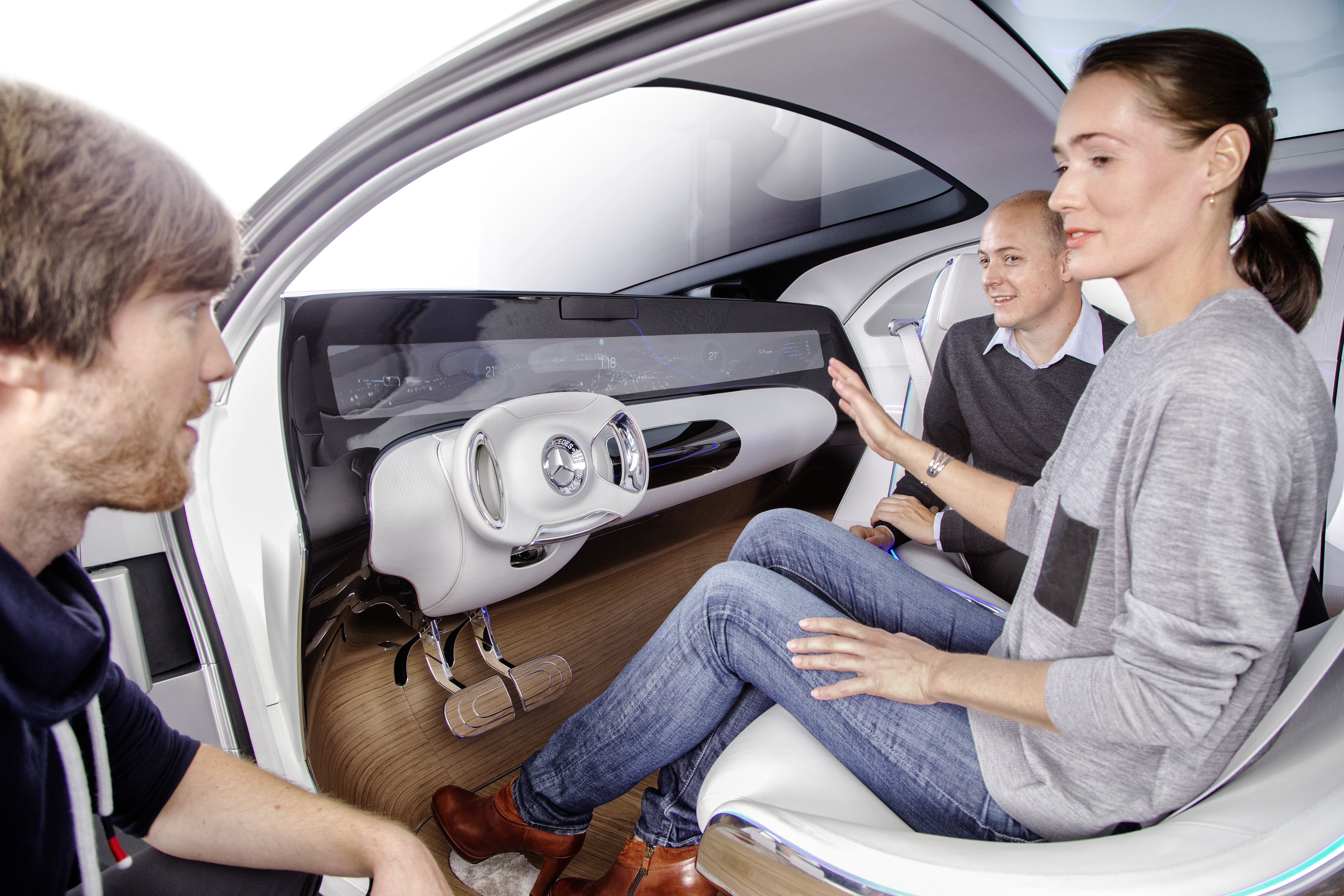
Mercedes-Benz F 015 Luxury in Motion

But there are benefits from the driverless car research and development that’s taking place – real world features that have the potential to make driving as we know it safer and more efficient.

The result of driverless car research, Autonomous Emergency Braking (AEB) is arguably the next BIG THING in road safety. Again the technological solutions vary, but simply, the car uses sensors to scan the road ahead and can warn the driver of potential dangers and, if he or she does not react, apply the brakes to avoid or at least reduce the severity of a collision.

Combined with cruise control systems that can adapt to the speed of other traffic, AEB should bring to an end the classic nose-to-tail accidents that cause issues during almost ever commuters day. More importantly, it can also mitigate the potential for the horrific high-speed motorway multi-vehicle accidents that create headlines in Europe all too often.

And let’s not mention that these systems are already ‘saving’ plenty of drivers (and their potential ‘targets’) who can’t see the danger of texting and driving

Cars from brands like Mercedes-Benz already have automated steering systems that damp in-lane wandering and adjust for crosswinds, road camber and the like. They’ll also warn the driver and if necessary steer the car back into its lane unless a deliberate action is taken to change the car’s trajectory – for example operating a turn signal.

The system effectively takes over the job of steering the car in a highway situation – so much so it has a failsafe that senses for the driver’s hands on the wheel. No hands for more than a few seconds, elicits a warning message which says the system will disengage. After that? I’m not too sure, I’ve always been too scared to find out.

The key to all of these systems is they assist the driver, not replace them.

And that’s the way it should be. In reality, the driving environment each of us process even when just driving around the block is a magnitude more complex than that faced by an airline pilot and we are a very long way away from autonomous passenger aircraft.

Although the lure of a crash-free, driver-free automotive future is tempting, it requires such a step-change in vehicle fleet age, connected intel and roadway infrastructure, that is it not coming to Australia any time soon…

It is as pie in the sky as flying cars.

Drive time

Daylight saving. Footy finals. Decent weather (at last) and the occasional hint of Xmas decorations… Already! I know!

The signs are there and it’s time to get out of the house – and even the suburbs. Scratching those itchy feet is an occupational hazard at this time of year, so we’ve come up with a few ideas, state by state, to exercise your favourite set of wheels. Or perhaps even create an excuse for you to buy a new one…

Victoria: it really is GreatDSC_5727
Okay, so it’s clichéd… But the Great Ocean Road is also one of the world great coastal drives. Ideally start at the ‘arch’ near the Aireys Inlet end for the full experience… And don’t think it ends at Apollo Bay like many day-trippers, the inland stretches of the GO-Road through to Lavers Hill are fantastic and then there’s the iconic views of the 12 Apostles and Port Campbell further down the line. If you must head back to the big smoke early, turn at Skenes Creek and enjoy a cruise up, through and over the Otways via Forest to Highway 1.
Our dream wheels: Mazda MX-5

Tasmania: Targa beckons
Home to the world’s longest tarmac rally, Targa Tasmania, it’s easier to list the boring drives… Tasmania is blessed with some of the most entertaining roads on the planet – everything from switchbacks to perfectly surfaced high-speed sinews that will test driver, car and the patience of the Tassie police force. Be warned your demerit points are portable so enjoy, but behave. If you’re on the way to Mona from the Bass Strait ferry take the long way via the West Coast and spend a night in Strahan. Get up early and carve the Lyell Highway to Queenstown where the famous 99 Bends await. Or better still, save your pennies, buy a rally car and enter Targa. It’s awesome.
Our dream wheels: RenaultSport Megane 275

NT: take it to the limit
It’s attracting television shows, automotive brands, advertising commercials and some considerable angst from safety nannies in the southern states… But it’s a must-do for any driver. There are only a very limited number of roads around the world without a speed limit and the NT’s Stuart Highway is (almost) in our back yard. A 204km stretch of the road was derestricted as a trial from Feb 2014. It went so well, the NT Government, much to the ire of road safety bureaucrats, added another 76km last September.  Head north from Alice Springs and once you’re passed the Tanami Rod turn-off you can open it up. A word of warning though – this is not a sterilised fenced off autobahn. Animals (some big) and road trains (all very big) also use this road, and cambers and road irregularities are aplenty. Pay attention and enjoy the sensation of not having to second guess where the next speed camera lurks.
Our dream wheels: Mercedes-AMG S 63 Coupe

Western Australia: tree or sea change? Both?
The wildflower drives north of the Western Australia capital get all the publicity but the window of opportunity can narrow – so we’re heading to see bigger plants. Much bigger plants… And after that to the most pristine beaches in the country. Be warned, though, this is not a one-day drive – Australia’s largest state has driving distances better measured in hours than miles. Point the car southeast from Perth, target Denmark and google ‘Valley of the Giants’… When you’ve had your fill of giant karris then head towards Albany and on to Esperance and enjoy empty roads and some of the best white sand beaches.
Our dream wheels: Volkswagen T5 Caravelle camper

NSW: the back way to Bathurst
Bells Line of Road is known to every keen Sydney driver. It’s iconic like the Great Ocean Road and is part of many a SinCity petrolhead’s pilgrimage to Mt Panorama Bathurst. The road is heavily policed (there’s a theme emerging here) but even that can’t dilute the joy of the sweeping curves and Mt Tomah’s elevation changes. The occasional fleeting view of the stunning Blue Mountain escarpments are a bonus, but keep your eye on the road – there are corners that bite. One day I’ll tell you the story of the motoring journalist that borrowed the latest Torana road-racer special from Holden for his drive to Bathurst; crashed on the way there; returned to Sydeney and borrowed another example of the same car and crashed again… On the same corner! Harbour city fans head to west Richmond, cross the Hawkesbury, head for Kurrajong Heights and enjoy…
Our dream wheels: HSV GTS

Queensland: get dirty to The Cape
This road trip’s a long one and requires very different equipment than most of our great drives. The trek to Cape York is one of the ‘big ones’ for Aussie, especially outback tourers. It’s not an easy trip, though not as hard as it once was, and definitely requires the right vehicle and some reasonable offroad skills. From Cairns the most popular 4WD route is via Cape Tribulation, historic Cooktown, Old Laura Station, Lakefield National Park and onwards. From the Old Telegraph Track north of Bramwell Station is still quite testing. But the good news for tenderfoots are there are own-vehicle guided trip that allow you to learn on the job – without the breakages and pitfalls that often entails. Take the family and your fishing rods – but read up and plan, plan, plan. Ron and Viv Moon’s book Cape York: An Adventurers Guide is invaluable.
Our dream wheels: Toyota LandCruiser 78 Series

South Australia: nothing to whine about
Of the capital cities, arguably Adelaide drivers have the easiest access to great roads. Almost any exit eastward from the city of churches will have you carving tarmac in not time. The Adelaide Hills and the famous wine valleys beyond have a criss-cross network of fantastically challenging tight and twisting roads that are good enough to host Australia’s top classic car rally. But they can be busy and speed limits are down, so perhaps the message is to forget your inner boy/girlracer and embrace a slightly slower pace of life. From the northeastern suburbs of Adelaide, Gorge Road climbs and twists its way through Cudlee Creek and on to Birdwood. There you need to spend a good few hours at the National Motor Museum – it’s a ripper. And then? Mount Pleasant is a few kilometres on before you head north towards Eden Valley and Henschke, where I’d suggest you park the car!
Our dream wheels: 1966 Mustang Convertible

Classic mistakes…

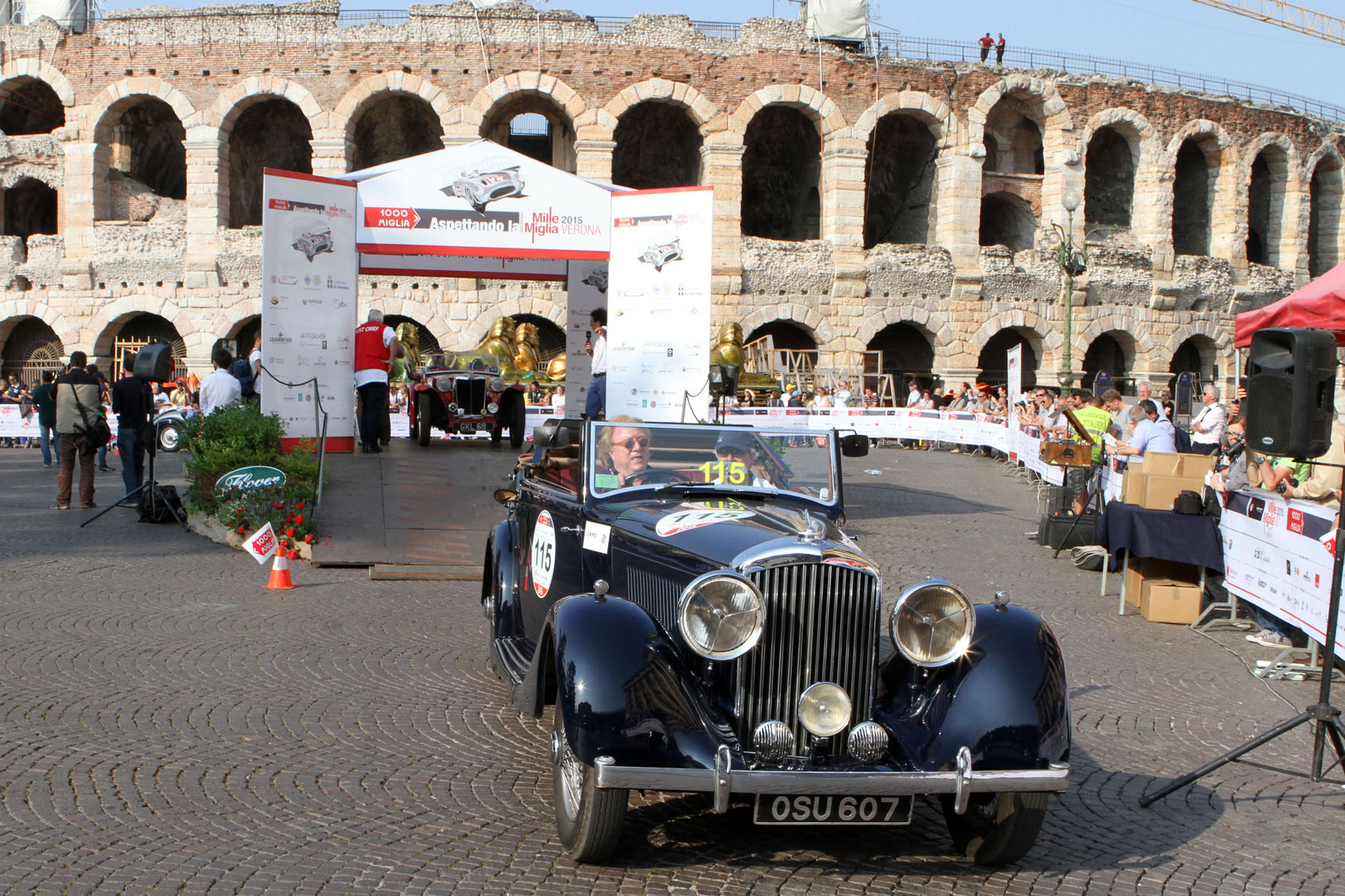
If your Father’s Day treat to dad (or yourself) is a classic car, then it’s likely the best part of the experience is already over…

Finding and buying a classic car can be fun… A crusade with a beautiful (perhaps) shiny prize at the end.

But living with a classic car is a view best seen through rose coloured Aviators (Classics, of course). And even a very quick drive will be enough to have most of us scurrying back to the comforts of our modern, computer-aided four-wheelers.

The embedded technology that takes care of us each and every kilometre we drive in modern cars has become so seamless most of us simply don’t know it’s there, let alone operating.

The very simpl9fdb3a70-dd20-0132-91dc-00163e17fa4best of these, antilock brakes, has at a stroke of a boffin’s pen reduced the number of single and multiple vehicle accidents by a magnitude. Jump into your 1960s vintage MG or Camaro and there’ll be none of that thank you.

That refreshing summer shower or brisk icy winter’s morning jaunt will have you mentally recalculating your stopping distances as the braking potential of your classic has all of a sudden evaporated.

It’s remarkable how long those seconds seem between the time the modern shopping trolley hatchback slams to a stop in front of you and when finally your lovingly restored American Graffiti refugee follows suit.

And then there’s the minor consideration of comfort and reliability.

Interstate road trips were big things way back when, because cars were challenged by the requirements of multi-hour, multi-day operation. Just as the early piston engine airliners would often arrive at their trans-oceanic destination with one engine dead and propeller feathered, it was not uncommon for ‘holidays’ to start a day or so late as our cars required TLC along the way.

Winter was a time of poor vision from breathless demisters and useless wipers. Summer you sweltered, or lived in a permanent state of windburn and chapped lips.

All of this from the ‘classics’ cars after which many of us lust today. And let’s not even start on the subject of finding parts!

The hardy classic car aficionados will cope with all of the above – wear their the travails like a badge of honour. For the rest of us there are options. Which one you choose has much to with the budget allocated to your Father’s Day treat.

Companies like Eagle in the UK and The Healey Factor (THF) much closer to home (Ringwood, Vic) specialise in taking beautiful classic cars and bringing them up to date with carefully chosen modifications and delivering the benefits of modern technologies and metallurgy.

Former Top Gear pugilist Jeremy Clarkson famously drove an Eagle Jaguar XKE (E-TYPE) around Europe for a television series. You can buy a very similar car from the company replete with aircon that works and even a modern six-speed gearbox that makes highway cruising effortless. The engine and cooling system will cope with modern traffic – something this car struggled with from new.

THF’s re-engineered Austin-Healey 3000s are a thing of beauty inside and out. Like the Eagle cars, these ‘Big’ Healeys look original but can be specified with disc brakes that work and even period radios that feature hidden Bluetooth connections so you can look spiffy and Spotify all at once.

More of a bent eight fan? There are many operations in Australia and myriad in the USA that will build you a Mustang with all mod-cons – from a Ford approved brand-new circa 1970 Dynacorn bodyshell.

Just name you poison and your price. Mine would be a Singer Porsche. Look it up… Alas the prices are eye-watering.

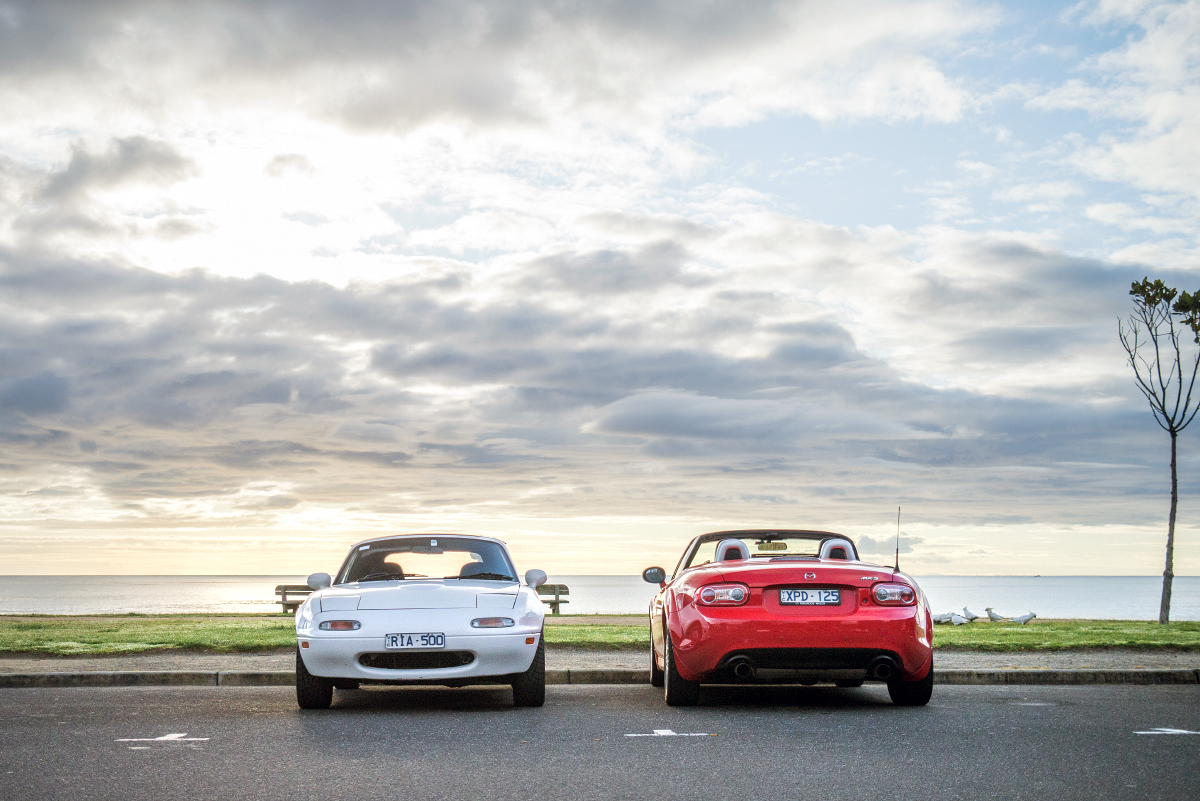
Or if you want a Classic experience without the cost, mechanical angst or too many comfort compromises, you can do what hundreds of thousands have done around the word… Buy a Mazda MX-5.

The world’s most popular Roadster is the smart modernista’s quasi-collectable. It’s fourth generation has just launched Down Under from around $32,000 but you can buy well looked after circa 1989 Series I or later Series II cars from around about $5000.

Engaging handling, enough performance, real communication between car and driver via hands and seat of the pants – and modern hatchback reliability…

There a Classics… And then there are Classics

Money can’t buy you love…

But it can… And Aussies are buying into the love affair that are SUVs…

Australians love the great outdoors It’s a cliché but if Aussie new car buying choices are anything to go by, it’s an ever more robust one!

Sport Utility Vehicles (say it with a yank accent for a hint of the now-ubiquitous term’s origin) are the new car of choice for around one-third of local new car buyers. Some manufacturers try and soften the blow by calling their SUVs ‘Sports Activity Vehicles’ or even ‘crossovers’. Make no mistake, however, they’re high-riding birds of a feather – and Aussies can’t get enough of them.

Our love affair with the SUV has taken another step forward in 2015.

In the first half of the year while the new car market overall was up just over three per cent, SUVs sales overall have grown almost four times faster. Registrations of vehicles that sit in the burgeoning ‘Small’ part of the marketplace (think Mazda CX-3 and Honda HR-V) have almost doubled that rate of growth.

At the same time, sales of ‘conventional’ passenger cars have retreated. In fact, even before you add dual-cab utes into the mix (ever more often a family and work car choice Down Under), 2015’s overall market’s growth can entirely be sheeted home to SUVs.

The ‘why’ is a little chicken and egg. There’s more choice than ever before in the combined high-riding segment, but surely this itself is a function of the demand.

Methinks, it does hurt the cause that manufacturers have a vest interest in tipping you into an SUV.

Most mainstream manufacturers now offer a choice of SUVs – some brands a substantial number of models across size ranges. Indeed, there’s an almost unseemly rush by some car companies to get more softroaders into the Aussie marketplace… As if their future growth and prosperity depends on it…

Much has been written about the appeal of the elevated ‘command’ driving positions of SUVs but this has been eroded as more and more similarly proportioned vehicles have hit the roads. Although this factor no doubt still offers some traction with buyers, the real attraction of SUVs is what the auto business calls ‘packaging’. Delivering more with less – and in this case charging more for it!

How vehicles are physically configured and how they therefore address the needs of a disparate range of buyers is a science in its own right, but that science is arguably illustrated at its very best in the latest crop of SUVs.

Take our chart-topping Small SUVs as an example. Here using Light car architectures as their building blocks, manufacturers are delivering vehicles that offer (in many cases) better than the next size up accommodation and, despite manageable external dimensions, an on-road presence that is also upsized.

Add in feature sets that include the latest in safety and connectivity and it’s little wonder buyers are queuing up.

From just a few offerings two years ago, this small SUV segment now includes almost 30 models and there are more to come – from utilitarian mass market examples to high-spec, high fashion and high priced prestige offerings from brands like Mercedes-Benz and BMW.

And as much as the vehicles’ new owners are cock-a-hoop about their new quasi-offroad style icons, manufacturers and dealers too are doing their very best Cheshire Cat impersonations.

The key to this is a paragraph or two back. And if you’ve recently purchased an SUV and haven’t got the gist of what we’re saying, it’s now time to look away.

Very simply, the SUV craze allows manufacturers to sell vehicles with Small car pricetags (or better) and in most cases build them at Light car costs…

It’s sort of like selling you a family-sized Westinghouse with the heart and soul of a bar fridge.

I can’t wait until a manufacturer actually calls a spade a spade and badges its next new compact SUV, the Kerrching…

TESLA: it’ll change the car you drive…

There’s an electric car in your future.

Perhaps a fuel cell vehicle, which turns hydrogen and air into electricity, or, more likely in the short term, a hybrid electric vehicle that uses electricity in urban areas and cranks over a conventional engine on the highway.

Or it could be a pure electric car. A car that has enough range for a week’s commuting and is ‘refuelled’ at your home from a storage system that itself is charged ‘off-grid’ by solar panels on your roof.

Tesla, the upstart US automotive start-up, would have it the logical choice is the latter — pure EV… And it says, with some justification, the future is now.

The company has made a big model-S-AU-churchnoise in a very short period. The brainchild of tech pin-up Elon Musk, it’s gone from ‘lunatic fringe’ dweller to close-to-mainstream car brand in what in automotive terms is a blink of its eye. It jealously guards its production numbers but make no mistake Tesla’s selling cars – and much to the chagrin of established auto dealer networks, from its own company-owned stores.

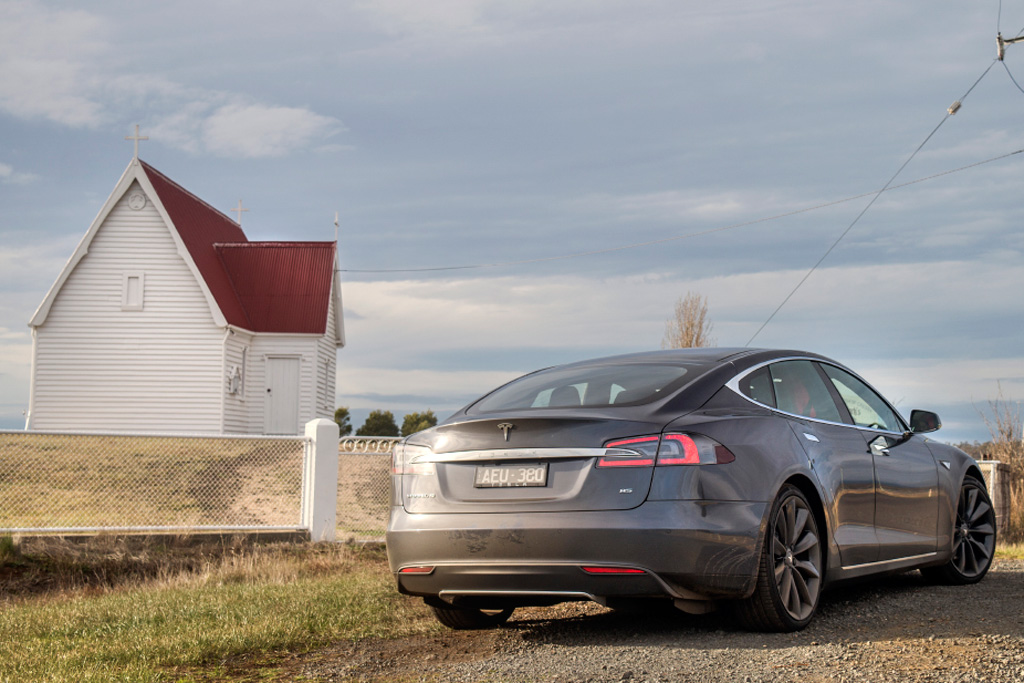
The Powerwall electricity storage technology that will allow you to solar-power your Tesla will go on sale Down Under within months. But the brand’s game-changing Model S large luxury sedan is already on Australian roads. And it’s good. Very good!

Priced from around $115,000, Tesla Model S is a luxury buy that pushes the right buttons in terms of looks, execution and performance.

Some suggest there’s a hint of Aston Martin in styling and although it’s actually a five-door, the profile is, indeed, pure premium. There’s no chance of it being mistaken for mass market hatch. Indeed, parked among high-end Mercedes-Benz and BMW’s it looks at home. I reckon Audi’s designers secretly wish had made their brand’s conceptual similar flagship A7 look as good.

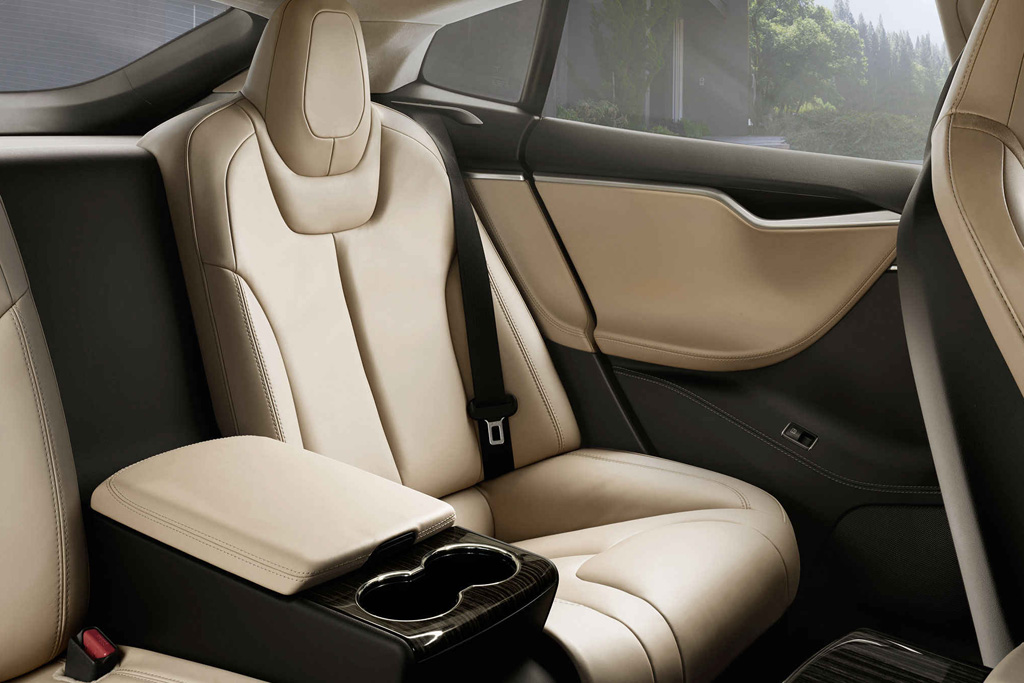
The Model S’s innovative architecture uses compact electric motors front and rear and loads over 500kg of battery under the floor plan, guarahero-06nteeing flexibility in terms of interior packaging. There’s genuine room for five and although it show signs of the relative immaturity of the product in terms of interior design, there’s no denying its functionality.

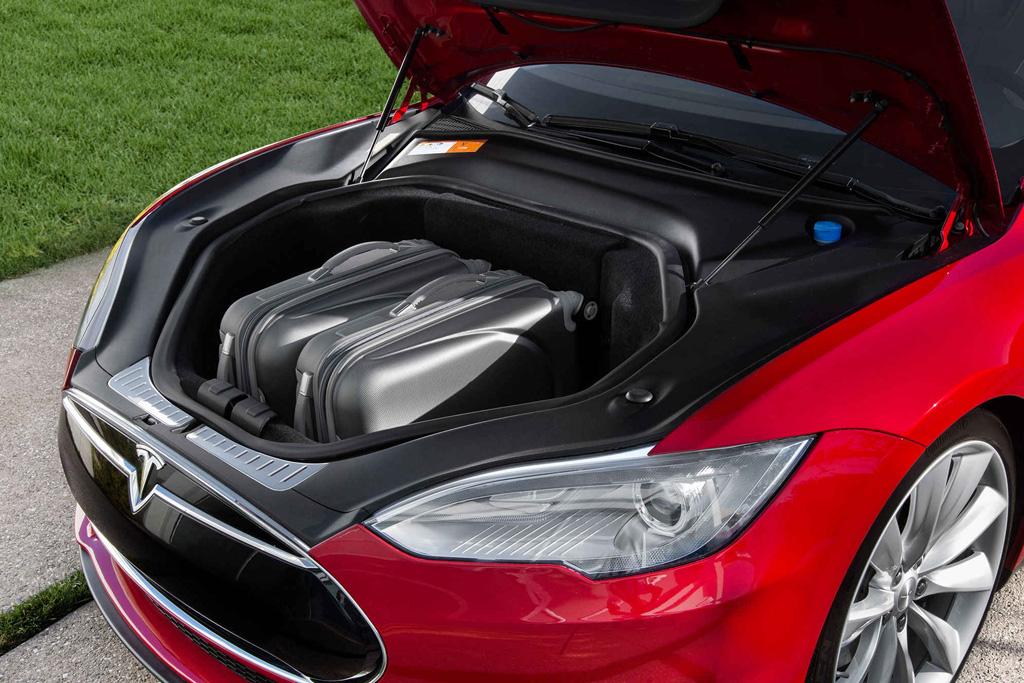
Step from an established luxury brand and you will find the cabin a touch Spartan. You may recognise some switches or other components and perhaps even grizzle that there’s no secure incidental storage. But no other car in the segment provides a ‘frunk’! Instead of an engine under the bonnet there’s another boot — FRont trUNK in Tesla parlance.

No other car has model-s-executive-rear-seats-in-tanthe start-up sequence of the Model S either. The key is almost a metaphor for the car and company itself. There are no markings on it, save for the Tesla logo, but tap it in different places and it’ll do different things. As long as you’re in the know…

Pop the key in your pocket and proximity sensors extend the normally flush door handles as you approach the Model S. Once you’re seated and touched the brake pedal (there are two like a conventional auto), it’s ready to go. No pushing of buttons even. Select D and make your exit.

And in top-spec versions that departure can be fast… In fact, eye-wateringly, supercar-fast.

Although some would argue the point, Porsche’s 911 Turbo S is generally accepted as the fastest accelerating production car on sale today. The factory claims this purpose built 2+2-seater sports-car will go from standstill to 100km/h in 2.9sec. Tesla says in its most potent P85 D form, the Model S can not only match the Porsche, but now beat it. The margin’s just 0.1sec but that’s a lifetime in drag races.

The fastest Holden sedan ever – a supercharged 6.2-litre V8 — takes almost two seconds more!

Of course, the perceived problem with electric cars is not how fast but how far. Auto experts use the term ‘range anxiety’ to describe the factor that currently limits acceptance of EV technology.

Arguably the biggest achievement of the Tesla Model S is that its real world range hits range anxiety for six. In two stints of ‘living’ with the Model S I’ve witnessed ranges in excess of 350km and careful drivers might add up to 100km to that number.

That might not get you from Melbourne to Sydney but therein starts the argument for EV fast-charge infrastructure. Such is the importance of the Aussie marketplace, Tesla says it’s buying into the game via the installation of its own SuperCharging stations at strategic highway locations over the next 18 months.

So that box is ticked. What about this continent’s love affair with the softroader?

Did we tell you Tesla will have an all-electric high-riding seven-seater SUV on sale in Australia in 2016. It’ll be an electric dream come true for some…

Abarth 695 Biposto: the world’s smallest supercar

The plan was fraught with danger. Take three tiny cars to one big mountain and expect them to take on 40 faster racers and survive for 12 hours… What could possibly go wrong?

Plenty.

But it didn’t. And in the end all of them were running at the chequered flag for the 2014 Bathurst 12-Hour. One of three Abarth Assetto Corse racers actually finished inside the top 20.

This writer was one of the drivers of that car and the experience will forever endear me to the plucky little turbocharged Fiat 500 racers.

It also requires me to declare my bias when it comes to this car — and, truth be known, probably to most things that appear in the future wearing the red and yellow Abarth scorpion badge.

Abarth-695-BiPosto-23

Does that mean I’d be prepared to shell out the $90,000-plus pricetag for a proper kitted version of the fastest Abarth road car ever? Very unlikely. But equally, I have no trouble picturing a well-heeled pocket-rocket fan do just that.

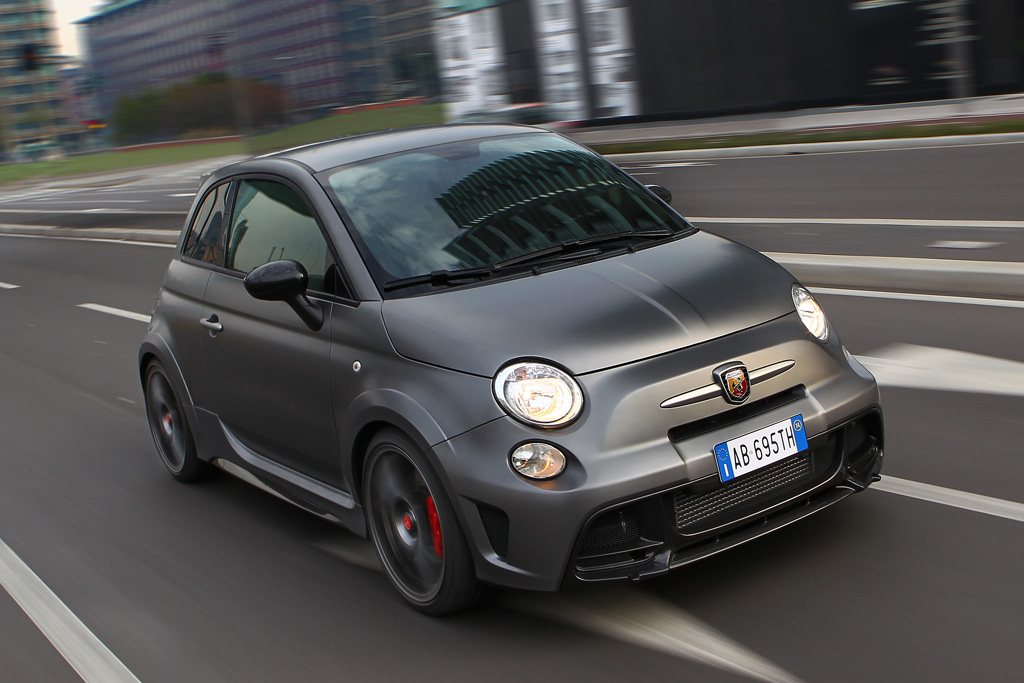
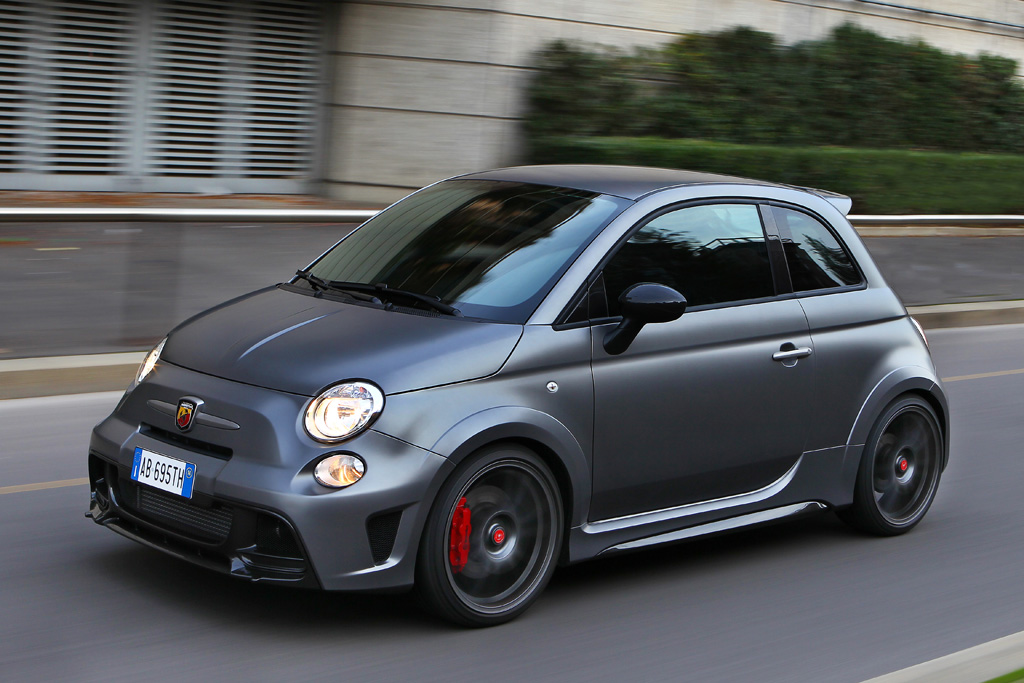
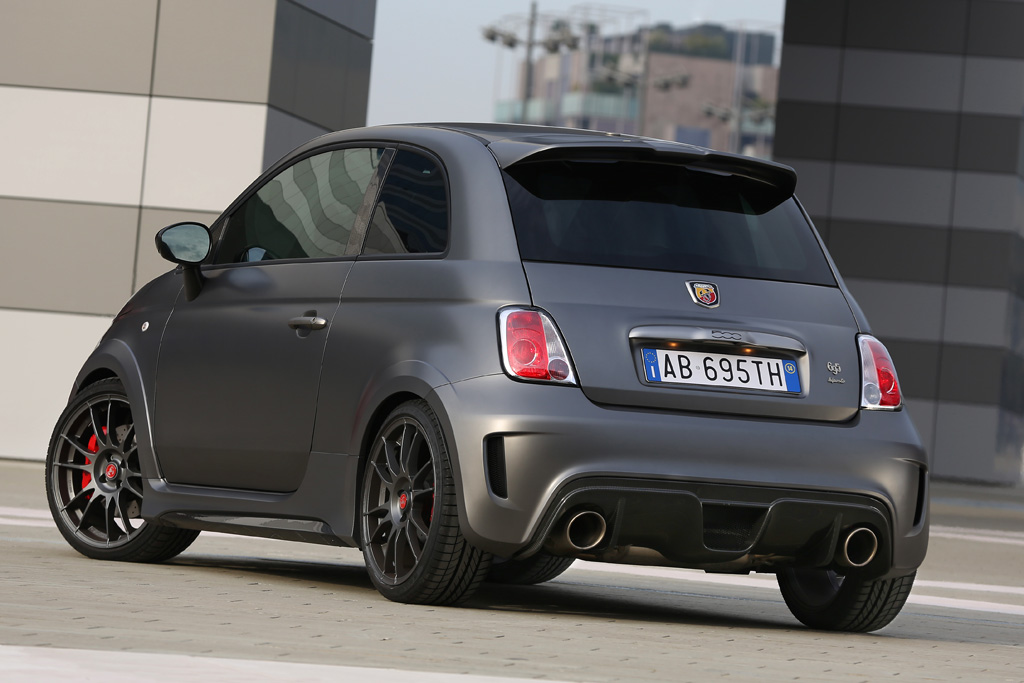
Fiat Chrysler Australia has announced a $65,000 starting price for the limited-edition Abarth 695 Biposto — a vehicle it claims is the “world’s smallest supercar”.

But that $65K sticker is actually misleading. You’ll need to shell out another $15,000 or thereabouts for the icing on the Biposto’s cake — a rally-car style dog-box that allows clutch-less manual changes up and down the gearbox.

And that’s not all you’ll be paying extra for. Three further upgrade kits will be required to take your 695 Biposto to the ‘full welly’ specification of the show car that celebrated the Abarth brand at the 2014 Geneva motor show.

The ‘Special 124 Kit’ recalls features of the classic 124 Abarth coupe and adds the double-hump aluminium bonnet that the Biposto has invariably been photographed wearing. This kit also adds titanium hub caps, wheel nuts and water, oil and fuel caps. Pricetag: TBA (EDITED: see below)

Then there’s the ‘Carbon Kit’ which adds a carbon dashboard fascia, front door panel and rear-view mirror — also yet to be priced. The ‘Racing Kit’ offers an IAM data logger, polycarbonate side glass, other goodies and even a race suit, shoes, gloves and helmet which can be personalised with your initials. I’m not expecting it to be cheap.

Indeed, the whole exercise points me to the logic that a real fan would be better off buying the full left-hand drive Assetto Corse racer upon which our Bathurst cars were based. At less than 30,000 Euros it’s looking like suspiciously good value…

Abarth-695-BiPosto-22

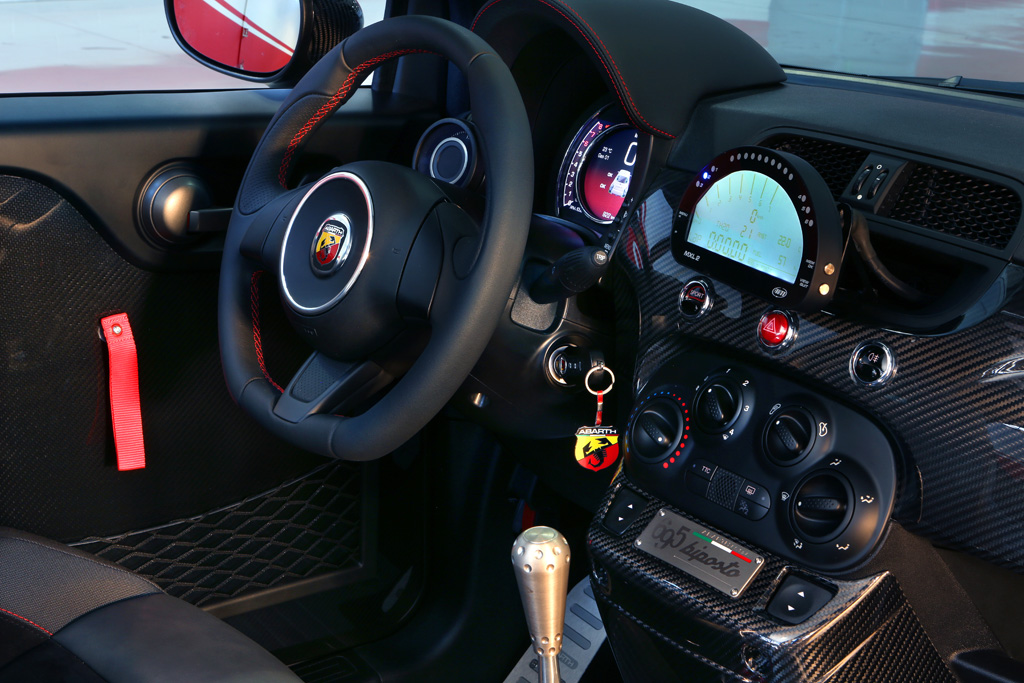
But of course that wouldn’t allow you to drive a 500 with two pukka Sabelt race buckets, stand-out semi-matt grey paint (only one shade), a 0-100km/h time of 5.9 seconds and an estimated top speed on the high side of 220km/h (Abarth claims 230) on the street.

For that’s where the Biposto is supposed to live — despite the “track on Sunday, road on Monday” label Abarth sticks on it.

Ironically, it was a desire to make the dog-box equipped Biposto a better road car that meant we couldn’t drive it when Fiat Australia introduced the car to motoring.com.au at the FCA group’s Centro Experimentale Balocco in northern Italy last week.

Abarth’s engineers say they are trialling closer ratios for the Bacci Romano gearbox which is matched to a racing clutch and mechanical limited slip differential (from the same manufacturer) to make it easier to drive in traffic. I’m not sure that’s the point, but commend their persistence.

So a quick few laps of the historical Alfa Romeo loop at Balocco in the standard five-speed manual Biposto are all I can report upon (the dog-box details will have to wait on the understanding Fiat Australia will equip a test car with the option).

And the key word IS quick — in the company ofAlfa Romeo 4Cs, the Biposto was anything but disgraced.

Abarth-695-BiPosto-42

Performance from the modified 1.4-litre T-Jet turbocharged petrol four is stronger than its claimed 140kW at 5500rpm and 250Nm from 3000rpm would suggest. With a 997kg dry weight, Abarth says the 695 Biposto has a weight-to-power ratio of just under 7kg/kW – by way of comparison a Golf GTI Performance lugs around over 8kg/kW.

That the ‘big’ throaty Akropovic exhaust, and the obvious turbo and wastegate pops and trills the Biposto regaled us with, are almost straight from the Assetto Corse didn’t do any harm regards my general demeanour to the little Abarth, I admit.

Arguably even more impressive, however, is the Biposto’s braking and cornering potential. Four-piston Brembos matched to oversized 305mm front discs meant braking distances from the 200km/h-plus speed reached on the test track were almost comically short — allowing any distance the 4Cs gained on the straight to be easily erased.

The Biposto remained composed and cornered flat even when pitched hard into the changes of direction and drive from the apex and out of the corner (the bugbear of higher performance front-drivers — especially ones this short) was again good enough to keep the Biposto’s low carbon-splitter equipped nose latched onto the 4C’s rear.

Kudos here too to the sticky Pirelli rubber that comes standard on the car. The P Zeros provide another (if tenuous) link to the mini-supercar claim.

Of course this impression was on the smooth, traffic-free, confines of the Balocco track. How the clearly track-focussed Extreme Shox dampers will cope with our roads may be another story. If there’s one area the 500-based Abarths suffer it’s an almost complete lack of rear suspension travel.

And perhaps it’s worth reminding you here that as a Biposto pilota you’ll also have to make do without any audio distractions or air-conditioning. Still want to drive one on Monday?

Abarth-695-BiPosto-10

With just 10 Bipostos earmarked for Australia, I have little doubt FCA will sell out. After all, the similarly priced and half-as-pukka 695 Tributo Ferrari and Editione Maserati were so popular the previous distributor had to increase its allocation..

What I’m less convinced of is that the Biposto is worth two 595 Competiziones — even before the added equipment costs. A chip and aftermarket exhaust and LSD would deliver 95 per cent of the performance of the Biposto at 50 per cent of the cost.

But it wouldn’t be a Biposto, would it? A $65K starting price is a lot of money for a hot hatch, but for the world’s smallest supercar? Maybe it’s a bargain after all.

MS: Fiat Chrysler Australia announced “indicative pricing” for the Biposto kits this morning (March 18).
The ‘Special Kit 124’ is set at $5000, with the ‘Carbon Kit’ at $9000. Abarth’s ‘Track Kit’ splits the difference at $7000. That takes the price of your full-spec Biposto to $101,000!!!

2015 Abarth 695 Biposto pricing and specifications:
Price: $65,000 (plus on-road costs, see text)
Engine: 1.4-litre four-cylinder turbo-petrol
Output: 140kW/250Nm
Transmission: Five-speed manual (Optional dog-box)
Fuel: 6.5L/100km (ADR Combined)
CO2: 155g/km (ADR Combined)
Safety Rating: Five-star Euro NCAP (2007)

See what petrolhedonist does for a day job at motoring.com.au

Fiat 500X: softroading Turino style

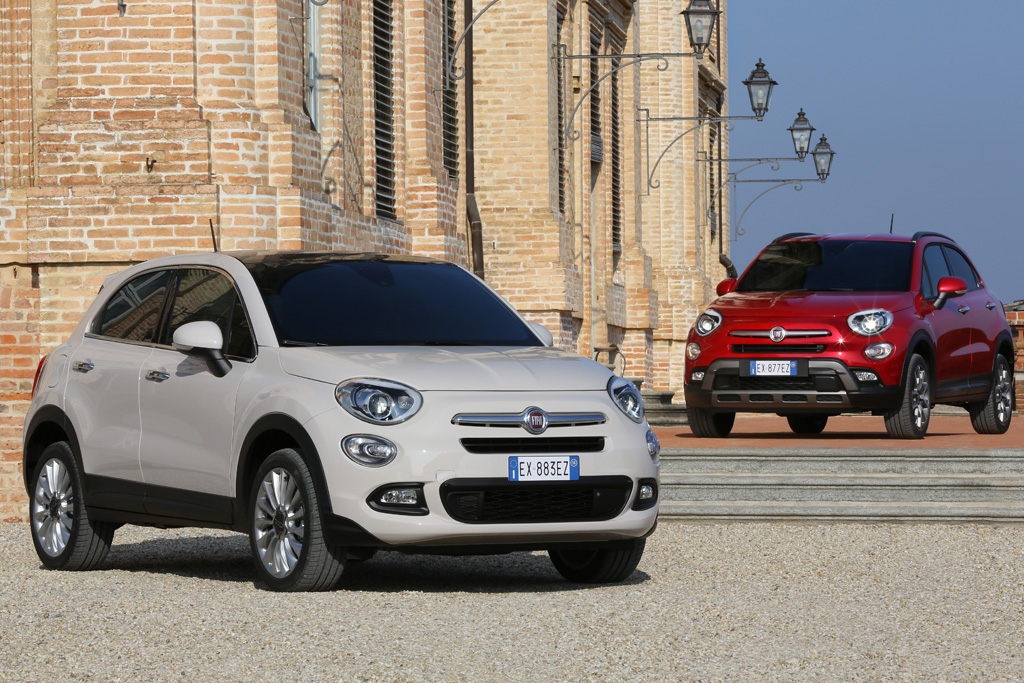
Built to take on the likes of Mazda’s CX-3 and give the Italian brand a foothold in the burgeoning small SUV segment, Fiat 500X shares little other than its name and face with the 500 hatch.

Fiat's new 500X is aimed at the SUV buyer with Latin tastes
Fiat’s new 500X is aimed at the SUV buyer with Latin tastes

Built on the same mechanicals as Jeep Renegade, it delivers a choice of petrol engines and front or all-wheel drive variants.

Stylish, refined and with the sort of versatile packaging expected in this segment, it shapes up as a viable alternative for those after a softroader with a difference.

Want to read more? My full launch review is at motoring.com.au

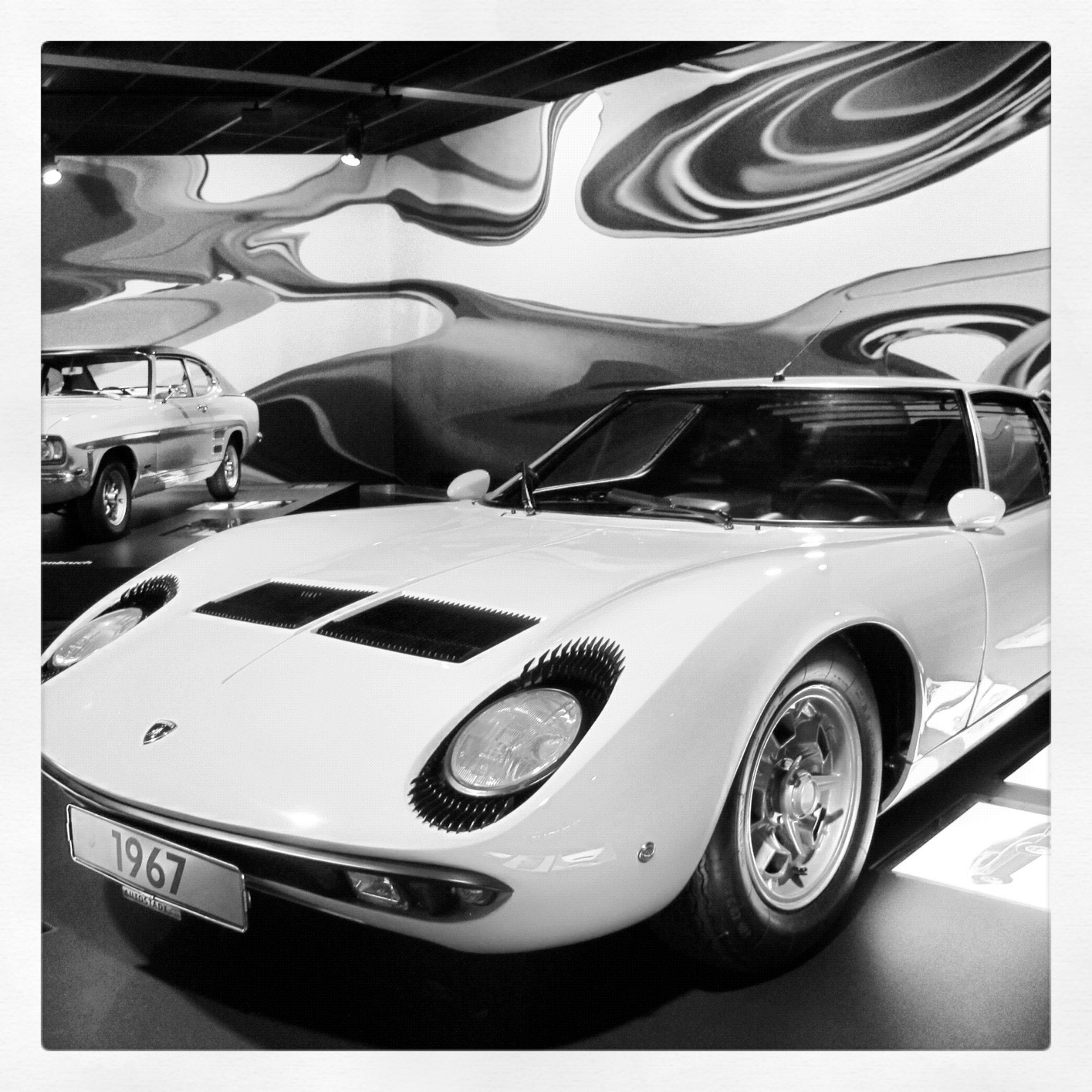
Lamborghini Miura

Lamborghini Miura

Did you know Italian supercar maker Lamborghini is owned by Volkswagen? Well, strictly speaking it’s owned by Audi, but that brand in turn is part of VAG, the Volkswagen Audi Group… This stunning Miura is part of the Volkswagen Museum collection at Autostadt in Wolfsburg, the home of VW. Petrolhedonist visited the museum recently… You can see more pics at motoring.com.au