First Buddy’s antics are turning customers off Tesla. If you’re Musk averse here are some smart EV choices that won’t have you pigeonholed as an Elon fan
Elon Musk is an acquired taste. First lauded as the man who took on the auto industry and won (with an electric car) and more recently as the exec who almost single-handedly consigned NASA to the ‘also rans’ of the space race, he’s winning fewer friends of late.
His cosying up to the Great Orange One is losing more friends than influencing people – the First Buddy label may come to haunt him. Meanwhile Musk’s recent antics with questionable hand gestures is, for some, the straw that breaks the camel’s back.
Getting to cars just for one second, the end result of the Musky scent is his award-winning and ground-breaking mass-market Tesla Model 3 and Tesla Model Y battery electric cars are getting more than a little on the nose.
There’s even a bumper sticker from those ready to back-pedal: “I bought this before Elon went crazy”.
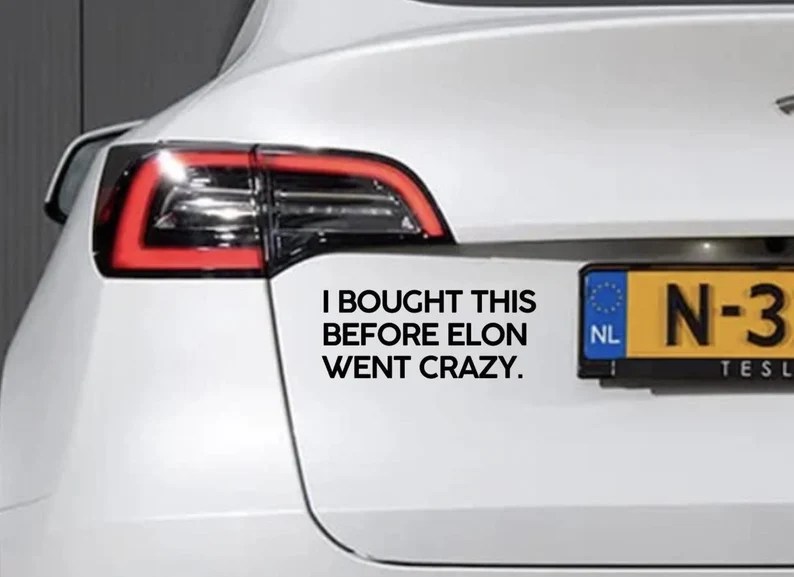
From an automotive standpoint, the Model 3 and Model Y, both recently facelifted and improved, are defining examples of the EV breed. They drive well, are very competitively priced, and (in most cases) you can buy them with little or, at worst, modest wait times. But if my phone, SMS and WhatsApp correspondence is anything to go by, a decent proportion of Aussies switching on to EVs are switching off from Tesla.
So what to buy instead?
Here are some smart EV choices that won’t have you labelled as an Elon lover and, perhaps more importantly, will see you behind the wheel of an EV that works…
MG4: Winner of a number of car of the Year awards in 2023 and 2024, the MG4 has quickly established itself as one of Australia’s most compelling Model 3 alternatives. It’s been praised by the Australian motoring press for offering a Tesla-rivaling range and performance at a significantly lower price point. It’s getting a little long in the tooth, but that hasn’t dulled its great road manners and means pricing is sharper than ever. Used examples are positive bargains.
Polestar 4: Positioned between Model 3 and Model Y in size and concept, the Polestar 4 is worth a look – even its base rear-drive model. Performance in the high-powered all-wheel-drive dual-motor variants is, er… electric. We’re fans of the 4’s distinctive coupe-SUV styling and premium interior quality. Kudos, too, for Polestar’s global chief calling out Elon for being a dick in a recent Bloomberg interview.
BYD Seal: A svelte, swoopy sedan and a direct Model 3 competitor, the Seal gets ticks for matching Tesla’s performance metrics – and in some cases exceeding them — a competitive price point. Local pundits have praised the Seal’s build quality and driving dynamics, with particular praise for interior refinement and BYD’s proprietary blade battery technology.
Zeekr X: The newest EV brand in this group, Zeekr, is positioning itself as the premium Chinese choice. The X is a compact SUV that’s a touch smaller than the Model Y and shares its architecture and, to a certain extent, design philosophy with Volvo’s EX30. The drive experience has been widely praised, as has its premium fit and finish and advanced tech.
Kia EV5: And finally, let’s not forget one of the best-performing brands of 2024, Kia. A smaller sibling to the much-vaunted EV6 and EV9 seven-seat family SUV, the EV5 is in the sweet spot of the Australian car market – a mid-size SUV. Impressive real-world range, good driving dynamics and a versatile, almost conventional interior are all plus points…
Leapmotor C10: Brand-new to the Australian market, the Leapmotor C10 is right-sized to take on the Model Y and again is in that midsize SUV sweet spot. Fit and finish gets praise, not so much the lack of smartphone mirroring which means you’re limited to native apps for things like navigation. Plenty of room and sharply priced.

 petrolhedonist